WorkSafeBC warns employers to protect workers from heat stress, heat stroke
Key Takeaways
- What happened
- WorkSafeBC issued a bulletin on July 21, 2026, urging employers to implement measures to protect workers from heat-related illnesses as temperatures rise.
- Location
- Applies to staff indoors and outdoors; mentions industries at higher risk including construction, agriculture, transportation, and public works
- Key points
-
- The bulletin comes as British Columbia approaches the five-year anniversary of the deadly heat…
- WorkSafeBC notes 335 heat-related injury claims between 2021 and 2025, with 47 in 2025
- Water intake guidance: a glass every 20 minutes
- Local impact
- In Burnaby and the Greater Vancouver area, construction, agriculture, and transportation workers are particularly vulnerable to heat stress during the summer months. The region's urban heat island effect can exacerbate temperatures, making indoor workplaces like warehouses and manufacturing facilities even more dangerous. For Metro Vancouver buyers, sellers, developers and investors, watch financing cost, transaction pace, supply mix and policy expectations.
- Who should watch
- ['Construction investors should be aware of the potential for project delays due to heat safety measures, such as scheduling strenuous tasks during cooler times and rotating workers.', 'Employers in the construction, agriculture, and…



What Happened
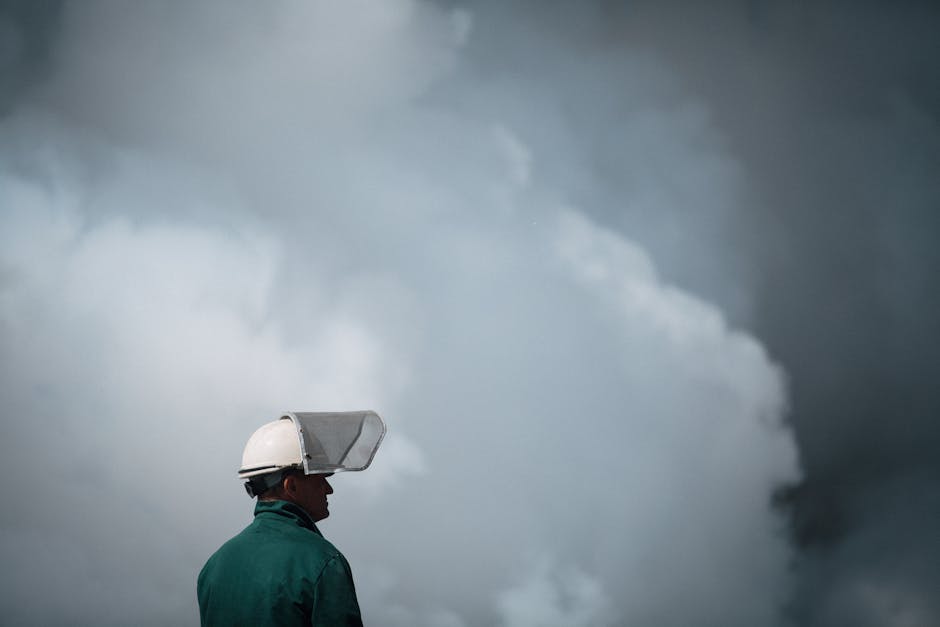
WorkSafeBC issued a bulletin on July 21, 2026, urging employers to implement measures to protect workers from heat-related illnesses as temperatures rise. Todd McDonald, the agency’s head of prevention services, emphasized that heat stress and heat stroke can be serious and even life-threatening, but are preventable with proper protocols. The agency highlighted that employers have a responsibility to take steps to protect workers, whether they are indoors or outdoors.
Between 2021 and 2025, WorkSafeBC accepted 335 heat-related injury claims, including 47 in 2025 alone. The bulletin identified construction, agriculture, transportation, and public works as industries with higher risk, but also noted that indoor workplaces without air conditioning, such as kitchens, warehouses, and manufacturing facilities, are vulnerable. Employers are required to conduct risk assessments and develop safety plans that include providing cool drinking water, rest breaks, and shaded or cooled recovery areas.
The guidance recommends that workers drink a glass of water every 20 minutes, schedule strenuous tasks during cooler times, and rotate workers between hotter and cooler environments. Workers are also being trained to recognize early signs of heat stress, such as excessive sweating, muscle cramps, nausea, weakness, dizziness, agitation, and confusion. WorkSafeBC encourages workers to report symptoms and speak up if they feel unsafe.
Why It Matters
The bulletin comes as British Columbia approaches the five-year anniversary of the deadly heat dome, which caused more than 600 deaths across the province. As Environment Canada predicts that 2026 will be among the hottest years on record, with El Niño bringing hotter and drier conditions, the risk of heat-related illness is increasing for both outdoor and indoor workers. The agency's warning underscores the growing need for robust heat safety regulations in the province.
Heat stress is a significant occupational hazard that can lead to heat exhaustion and heat stroke if not recognized and treated early. The bulletin highlights that workers in a range of industries face increased risk during hot weather, and that indoor settings without air conditioning are also at risk. By issuing this bulletin, WorkSafeBC is reinforcing the importance of proactive measures to prevent heat-related illnesses and ensure worker safety.
The agency's guidance includes specific recommendations for employers, such as providing cool drinking water, rest breaks, and shaded or cooled recovery areas. These measures are critical for preventing heat-related illnesses and ensuring that workers can continue to perform their jobs safely. The bulletin also emphasizes the importance of training workers to recognize early signs of heat stress and how to access first aid.
Local Vancouver / Burnaby Context
In Burnaby and the Greater Vancouver area, construction, agriculture, and transportation workers are particularly vulnerable to heat stress during the summer months. The region's urban heat island effect can exacerbate temperatures, making indoor workplaces like warehouses and manufacturing facilities even more dangerous. WorkSafeBC's bulletin is relevant to local employers who must ensure compliance with heat safety regulations to protect their workers.
The province has faced calls to toughen heat exposure regulations for workers, especially as the five-year anniversary of the deadly heat dome approaches. The heat dome, which caused 33 deaths in New Westminster alone, highlighted the need for better protection for workers exposed to extreme heat. WorkSafeBC's bulletin is a step in that direction, providing clear guidance for employers on how to prevent heat-related illnesses.
Local brokerage experience and market data suggest that construction projects in Burnaby and Vancouver often involve outdoor work during the hottest parts of the day, increasing the risk of heat stress. The bulletin's emphasis on scheduling strenuous tasks during cooler times and rotating workers between hotter and cooler environments is particularly relevant to the local construction industry. Employers must also consider the impact of heat on indoor workers, such as those in kitchens and warehouses, who may not have access to air conditioning.
Market Impact
The bulletin's emphasis on heat safety measures may lead to increased costs for employers in the construction, agriculture, and transportation sectors. Implementing cooling and hydration measures, such as providing cool drinking water, rest breaks, and shaded or cooled recovery areas, can add to operational expenses. However, these measures are essential for preventing heat-related illnesses and ensuring worker safety.
For the construction industry, the need to schedule strenuous tasks during cooler times and rotate workers between hotter and cooler environments may impact project timelines and productivity. Employers may need to adjust work schedules and invest in additional resources to ensure compliance with heat safety regulations. This could lead to higher labor costs and potential delays in construction projects.
The bulletin also highlights the risk to indoor workers in warehouses, manufacturing facilities, and kitchens. Employers in these sectors may need to invest in ventilation systems or air conditioning to protect their workers from heat stress. This could lead to increased capital expenditures and operational costs for businesses in the region.
Investor / Buyer Takeaway
Construction investors should be aware of the potential for project delays due to heat safety measures, such as scheduling strenuous tasks during cooler times and rotating workers. - Employers in the construction, agriculture, and transportation sectors may face increased labor costs as they implement cooling and hydration measures to protect workers. - Indoor workers in warehouses, manufacturing facilities, and kitchens may be at risk of heat stress, and employers may need to invest in ventilation systems or air conditioning. - The bulletin underscores the importance of proactive heat safety measures, which can help prevent heat-related illnesses and ensure worker safety. - Investors and employers should stay informed about WorkSafeBC's guidance and ensure compliance with heat safety regulations to avoid potential liabilities.
Builder / Developer Perspective
For builders and developers in Burnaby and Greater Vancouver, the bulletin's emphasis on heat safety measures may impact project timelines and productivity. The need to schedule strenuous tasks during cooler times and rotate workers between hotter and cooler environments could lead to delays in construction projects. Employers may also need to invest in additional resources, such as cooling and hydration measures, to ensure compliance with heat safety regulations.
The bulletin highlights the risk to indoor workers in warehouses, manufacturing facilities, and kitchens. Employers in these sectors may need to invest in ventilation systems or air conditioning to protect their workers from heat stress. This could lead to increased capital expenditures and operational costs for businesses in the region. Builders and developers should be aware of these potential costs and plan accordingly to ensure project feasibility.
Risk Factors
Heat-related illnesses can lead to serious health consequences for workers, including heat exhaustion and heat stroke. - Employers may face increased liability if they fail to implement adequate heat safety measures. - Project delays and increased labor costs may impact the feasibility of construction and development projects. - Indoor workers in warehouses, manufacturing facilities, and kitchens may be at risk of heat stress if ventilation systems are inadequate. - The need to invest in cooling and hydration measures may add to operational costs for employers.
BurnabyHouse Insight
WorkSafeBC's bulletin is a timely reminder of the growing risk of heat-related illnesses for workers in British Columbia. As the province approaches the five-year anniversary of the deadly heat dome, the need for robust heat safety regulations is more urgent than ever. The bulletin's emphasis on proactive measures, such as providing cool drinking water, rest breaks, and shaded or cooled recovery areas, is critical for preventing heat-related illnesses and ensuring worker safety. Employers in the construction, agriculture, and transportation sectors must be aware of these requirements and take steps to protect their workers. The bulletin also highlights the risk to indoor workers, who may not have access to air conditioning. Builders and developers should plan for the potential impact of heat safety measures on project timelines and productivity, and invest in the necessary resources to ensure compliance with heat safety regulations.
Community
Questions, Answers & Comments
Ask a question, add context, or leave a comment. Public posts appear after review.
No public questions or comments yet. Be the first to ask.