Downtown Vancouver Foot Traffic Drops 7.8% in 2024 as Major Retailers Close
Key Takeaways
- What happened
- Downtown Vancouver recorded 106 million visits in 2024, marking a 7.8 per cent decline from the previous year despite overall population growth in the region.
- Location
- Global markets / U.S. (indirect for Metro Vancouver)
- Key points
-
- The data indicates a structural shift in how downtown Vancouver is utilized, moving away from…
- Downtown Vancouver foot traffic dropped 7.8% in 2024
- Shoplifting incidents citywide rose 12% in 2024; downtown core up 40%
- Local impact
- The Downtown Vancouver Business Improvement Association's report underscores the fragility of the downtown core's economic base. While the province has set aggressive housing targets to increase density, the current retail environment suggests that ground-floor commercial viability is under severe pressure. For Metro Vancouver buyers, sellers, developers and investors, watch financing cost, transaction pace, supply mix and policy expectations.
- Who should watch
- ['Monitor vacancy rates on Granville Street and Robson Street as leading indicators of retail health before committing to commercial leases.', 'Be cautious of properties reliant on local daily foot traffic; the data shows a significant…



What Happened
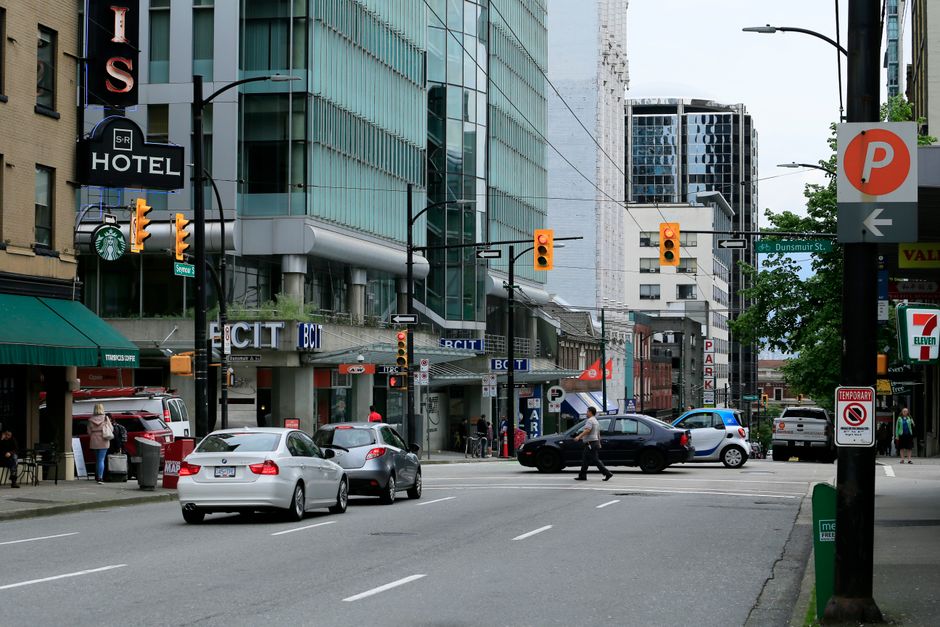
Downtown Vancouver recorded 106 million visits in 2024, marking a 7.8 per cent decline from the previous year despite overall population growth in the region. Jane Talbot, CEO of the Downtown Vancouver Business Improvement Association, highlighted that the share of local visitors dropped to 50.4 per cent, down from 52.9 per cent in 2023, while visits from city residents fell by 12 per cent. The decline is attributed to rising costs of living and safety concerns, with shoplifting incidents in the downtown core surging by 40 per cent in 2024. Physical retail space is also contracting, evidenced by Hudson's Bay Co.'s plan to close its 637,000-square-foot flagship store at Granville and West Georgia by June 2026. Additionally, Cadillac Fairview’s 230,000-square-foot former Nordstrom site has remained vacant since June 2023, contributing to a Granville Street vacancy rate that jumped from 22.1 per cent to 29.3 per cent. While Taylor Swift concerts provided a temporary 26 per cent spending boost, long-term trends show significant drops on key corridors like Alberni Street, which saw an 11.7 per cent decline in visits.
Why It Matters
The data indicates a structural shift in how downtown Vancouver is utilized, moving away from consistent local daily commerce toward event-driven tourism. When local residents reduce their footprint in the district due to inflation and safety perceptions, the economic stability of the core becomes heavily reliant on non-local visitors. This creates a volatile revenue environment for businesses that previously depended on the daily foot traffic of the local workforce and residents. The high vacancy rates on Granville Street and the departure of anchor tenants like Hudson's Bay signal that the traditional retail model is struggling to adapt to these new consumer behaviors. Without a recovery in local visitation, the district faces prolonged challenges in maintaining a balanced mix of residential, commercial, and entertainment uses.
Local Vancouver / Burnaby Context
The Downtown Vancouver Business Improvement Association's report underscores the fragility of the downtown core's economic base. While the province has set aggressive housing targets to increase density, the current retail environment suggests that ground-floor commercial viability is under severe pressure. The 29.3 per cent vacancy rate on Granville Street is a critical metric for developers and investors, as high vacancies can depress property values and delay redevelopment timelines. The shift in visitor demographics, with locals comprising only half of the traffic, aligns with broader concerns about the cost of living in Metro Vancouver pushing residents to spend elsewhere. The safety perception issue, highlighted by the 40 per cent rise in shoplifting, is a recurring theme in local brokerage experience, often deterring high-net-worth individuals from frequenting the area. This context is vital for understanding the broader health of the commercial real estate sector in Vancouver, which is distinct from the residential housing market but equally sensitive to economic conditions.
Market Impact
For commercial property owners, the 7.8 per cent drop in foot traffic and rising vacancies suggest a challenging leasing environment. Retailers may demand longer rent-free periods or lower base rents to offset the risk of reduced customer flow. The closure of major anchors like Hudson's Bay can create a 'dead zone' effect, further reducing foot traffic for remaining businesses. Conversely, businesses that can leverage event-driven traffic, such as those near entertainment venues, may see sporadic spikes in revenue, though this is less predictable than daily local commerce. The high vacancy rates also indicate potential opportunities for adaptive reuse or rezoning, particularly for properties that can transition from retail to residential or mixed-use, aligning with provincial housing goals.
Investor / Buyer Takeaway
Monitor vacancy rates on Granville Street and Robson Street as leading indicators of retail health before committing to commercial leases. - Be cautious of properties reliant on local daily foot traffic; the data shows a significant decline in this demographic. - Consider the impact of safety perceptions on property values; high shoplifting rates can deter long-term investment. - Look for opportunities in areas that benefit from event-driven traffic, but recognize the volatility of this revenue stream. - Evaluate the feasibility of converting underutilized retail space to residential use, given the provincial housing targets and declining retail demand.
Builder / Developer Perspective
Developers face a complex landscape where high retail vacancies may justify rezoning applications for residential towers, as seen in the proposed high-rise towers near the Commodore Ballroom. However, the cost of construction and financing remains a barrier, and the lack of a robust local retail tenant base may reduce the premium for ground-floor commercial space in new developments. The success of projects like the Cineplex and Rec Room in December highlights that entertainment and experience-based uses are currently more viable than traditional retail. Builders must carefully assess the long-term demand for commercial space versus residential units in the downtown core.
Risk Factors
Continued rise in shoplifting incidents could further deter local visitors and increase insurance costs for businesses. - High retail vacancy rates may lead to a downward spiral in property values and increased difficulty in securing financing for commercial properties. - Reliance on event-driven tourism creates revenue volatility, making it difficult for businesses to plan for long-term sustainability. - Potential for further anchor tenant closures could exacerbate the 'dead zone' effect in the downtown core. - Regulatory changes or increased enforcement costs related to safety and security could impact the operating margins of downtown businesses.
BurnabyHouse Insight
The 7.8 per cent drop in downtown visits is a stark reminder that population growth alone does not guarantee economic vitality in the urban core. The shift from local to non-local visitors, coupled with the 40 per cent surge in shoplifting, suggests that the downtown experience has fundamentally changed. For investors and developers, the key takeaway is that the traditional retail model is in decline, and the future of the downtown core lies in mixed-use developments that prioritize residential and entertainment uses over ground-floor retail. The high vacancy rates on Granville Street are not just a symptom of the pandemic but a structural shift that requires a new approach to urban planning and investment. The province's housing targets may accelerate this transition, but it will take time for the market to adjust to the new reality of a less commercially dense downtown.
Community
Questions, Answers & Comments
Ask a question, add context, or leave a comment. Public posts appear after review.
No public questions or comments yet. Be the first to ask.