TSX edges higher amid steadier U.S. markets and recovering AI stocks
Start with reported facts, then read the Burnaby, Vancouver and BC real estate implications. BurnabyHouse separates facts, local context, buyer/investor takeaways and risk factors so commentary does not become reported fact.
What Happened
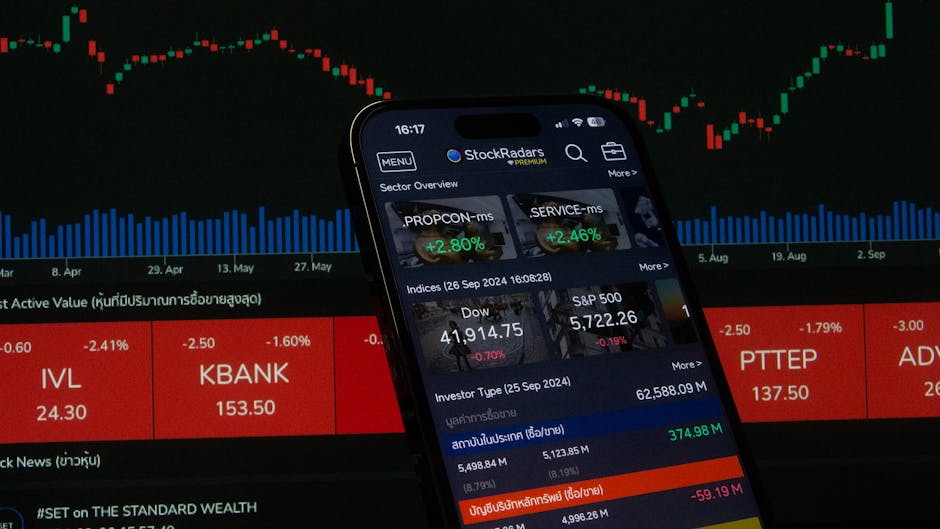
Canadian stock markets closed in positive territory last week, marking a shift in momentum for the Toronto Stock Exchange. The gains were driven largely by a recovery in artificial intelligence stocks, which rebounded from losses incurred earlier in the week. Specifically, these tech-related equities recovered some of the declines that occurred by Tuesday night. While the TSX finished higher, U.S. markets displayed mixed results during the same period. This divergence suggests that while Canadian investors benefited from specific sector recoveries, broader North American market sentiment remained uneven. The recovery in AI stocks indicates a renewed interest in technology assets after a recent downturn. Investors appear to be balancing these tech gains against other economic indicators. The movement reflects a broader trend of capital rotating back into growth sectors after a period of volatility. Market participants are closely watching how these shifts in AI valuations might influence broader economic confidence. The specific timing of the recovery aligns with the end of the previous trading week. This stabilization in tech stocks provides a counterbalance to other mixed signals in the global financial landscape. The positive close for the TSX highlights the resilience of specific Canadian-listed technology and resource sectors.
Why It Matters
The recovery of AI stocks on the TSX is significant for investors monitoring the technology sector's health in Canada. As artificial intelligence continues to be a primary driver of global market valuation, any stabilization in these stocks signals potential confidence in future tech earnings. For Canadian investors, this shift offers a reprieve from recent losses, potentially encouraging further capital allocation into growth-oriented assets. The mixed performance in U.S. markets adds complexity, suggesting that the Canadian recovery may be driven by domestic or sector-specific factors rather than broad North American economic strength. This divergence is crucial for understanding where capital is flowing within the continent. It highlights the importance of monitoring specific industry trends, like AI, rather than relying solely on broad market indices. The stabilization also impacts sentiment for tech-focused funds and individual portfolios heavily weighted in innovation sectors.
Local Vancouver / Burnaby Context
While the reported data focuses on the Toronto Stock Exchange, the performance of AI and tech stocks has direct implications for Greater Vancouver's real estate and investment landscape. Vancouver-based investors and firms often track TSX tech performance as a proxy for global risk appetite and liquidity. A recovering AI sector can influence the valuation of Canadian tech companies listed in Vancouver, potentially affecting the wealth effect for high-net-worth individuals in the region. Furthermore, stable or rising equity markets can support consumer confidence, which is a key driver of residential real estate demand in Burnaby and Vancouver. If tech sector recovery leads to sustained market gains, it may bolster the financial capacity of buyers in the local housing market. Conversely, mixed U.S. markets remind local investors of the interconnectedness of global capital flows, which can impact mortgage rates and investment strategies in British Columbia. The local context remains tied to how global tech trends translate into local economic activity and property values.
Market Impact
The positive movement in the TSX and the recovery of AI stocks suggest a potential easing of pressure on growth-oriented assets. For the broader market, this indicates that investor fear regarding tech valuations may be subsiding. This stabilization can lead to increased liquidity in equity markets, which may indirectly support real estate financing conditions. However, the mixed U.S. market performance warns against assuming a uniform global recovery. Investors should watch for continued volatility in tech stocks, as rapid recoveries can sometimes precede further corrections. The impact on real estate is indirect but notable; strong equity markets generally support wealth accumulation and investment capacity among potential property buyers.
Investor / Buyer Takeaway
- Monitor TSX tech sector performance as a leading indicator for global risk sentiment and liquidity.
- Be cautious of mixed U.S. market signals, which may indicate underlying economic uncertainties despite the TSX gains.
- Consider how recovering AI stocks might influence the valuation of Canadian tech firms with operations in Greater Vancouver.
- Track the correlation between equity market stability and local consumer confidence in the Burnaby and Vancouver housing markets.
- Watch for sustained recovery in tech stocks as a potential sign of renewed investment appetite in growth sectors.
Builder / Developer Perspective
For builders and developers in Greater Vancouver, the recovery of AI stocks on the TSX is less of a direct operational factor and more of a macroeconomic sentiment indicator. Stable equity markets can improve access to capital and reduce financing costs for large-scale development projects. However, the mixed U.S. market performance suggests that global economic conditions remain fragile, which could impact long-term demand for commercial and residential space. Developers should remain attentive to how tech sector volatility might influence broader interest rate expectations and investment flows into Canadian real estate assets.
Risk Factors
- Potential reversal in AI stock valuations if tech earnings fail to meet expectations.
- Mixed U.S. market performance could signal broader economic weakness affecting Canadian exports and investment.
- Volatility in global tech sectors may impact the wealth of high-net-worth individuals who are key buyers in the Vancouver real estate market.
- Interest rate sensitivity remains a risk if market stability leads to unexpected monetary policy shifts.
- Geopolitical tensions could disrupt the current recovery in global stock markets, affecting capital flows to Canada.
BurnabyHouse Insight
The TSX's positive close, driven by a tech recovery, offers a nuanced view of the current market environment. While it provides a boost to investor confidence, the mixed U.S. performance serves as a reminder that global capital flows are not uniformly positive. For Greater Vancouver's real estate market, this means that while local buyers may feel wealthier due to tech stock recoveries, the underlying economic stability is still being tested. Investors should view this as a signal of sector-specific resilience rather than a broad-based economic boom. The key takeaway is to remain selective and monitor how global tech trends continue to influence local investment sentiment and property values.
Community
Questions, Answers & Comments
Ask a question, add context, or leave a comment. Public posts appear after review.
No public questions or comments yet. Be the first to ask.
Gary Gao | Principal Real Estate Advisor · Licensed Home Builder · Former Municipal Insider
Decoding Greater Vancouver Real Estate: Leveraging Zoning, Driven by Data
Q: “Why should Greater Vancouver buyers trust a multi-discipline advisor?”
A: “Having lived in Canada for 26 years, I am not just a witness to Metro Vancouver's urban evolution, but a decoder of its underlying wealth logic .”