TransLink’s First Solaris Trollino Trolley Bus Arrives in Metro Vancouver for September 2026 Service
Key Takeaways
- What happened
- The first Solaris Trollino 12 trolley bus has arrived in Metro Vancouver, marking a significant milestone in TransLink’s effort to replace its aging electric fleet.
- Location
- Metro Vancouver; also testing in Poland by manufacturer.
- Key points
-
- The introduction of the Solaris Trollino fleet represents a major upgrade in public transit…
- First Solaris trolley bus arrived in Metro Vancouver
- Local testing underway in Metro Vancouver
- Local impact
- TransLink’s trolley bus fleet has been a cornerstone of Metro Vancouver’s public transit network for decades, but the existing vehicles, primarily manufactured by New Flyer starting in the 2000s, are reaching the end of their operational lifespan. For Metro Vancouver buyers, sellers, developers and investors, watch financing cost, transaction pace, supply mix and policy expectations.
- Who should watch
- ['Riders can expect improved comfort and faster boarding times on trolley bus routes starting in September 2026.', 'Transit-dependent households may benefit from more reliable service as the aging fleet is gradually replaced.', 'Investors…



What Happened
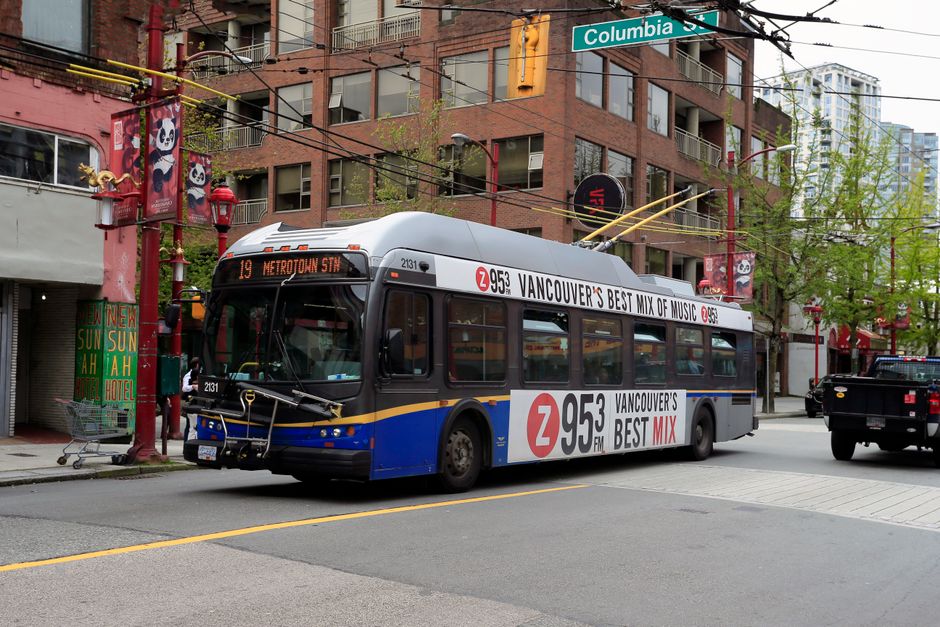
The first Solaris Trollino 12 trolley bus has arrived in Metro Vancouver, marking a significant milestone in TransLink’s effort to replace its aging electric fleet. This prototype vehicle, manufactured by Poland-based Solaris Bus & Coach, is currently undergoing local testing before entering regular passenger service in September 2026. The arrival follows TransLink’s selection of Solaris in mid-2024 to supply a new generation of trolley buses, ending a long-standing reliance on New Flyer vehicles from the 2000s. The order includes 275 vehicles in total, comprising 183 standard 40-foot buses and 92 articulated 60-foot models. These new buses feature modern amenities such as air conditioning, in-motion battery charging, and additional doors for faster boarding compared to the existing fleet of 262 trolley buses.
Why It Matters
The introduction of the Solaris Trollino fleet represents a major upgrade in public transit infrastructure for Metro Vancouver, directly impacting rider comfort and operational efficiency. The new vehicles are equipped with in-motion charging technology, allowing them to draw power from overhead wires while simultaneously charging their onboard batteries. This capability supports off-wire travel of up to 20 kilometers, providing greater flexibility in routing and reducing the need for complex wire infrastructure in certain areas. Additionally, the inclusion of air conditioning addresses long-standing customer and operator comfort issues, while the increase in door count—three doors on standard buses and four on articulated models—aims to reduce boarding times and improve overall service speed.
Local Vancouver / Burnaby Context
TransLink’s trolley bus fleet has been a cornerstone of Metro Vancouver’s public transit network for decades, but the existing vehicles, primarily manufactured by New Flyer starting in the 2000s, are reaching the end of their operational lifespan. The replacement of these 262 trolley buses is a critical component of the agency’s broader fleet renewal program, which also includes the procurement of battery-electric buses. The shift to European-made Solaris vehicles marks a strategic diversification in TransLink’s supply chain, moving away from its traditional North American suppliers. This transition is part of a larger effort to modernize the region’s transit infrastructure, aligning with broader goals of reducing emissions and improving service reliability. The local testing phase in Metro Vancouver is crucial for ensuring the new vehicles meet the specific operational requirements of the region’s hilly terrain and dense urban environments.
Market Impact
The introduction of the new trolley bus fleet is likely to have a positive impact on public transit ridership by enhancing comfort and reliability. The modern amenities, such as air conditioning and faster boarding, may make trolley buses more attractive to commuters, potentially increasing ridership on key routes. For the broader transit market, the successful integration of Solaris vehicles could influence future procurement decisions by other transit agencies in North America, signaling a shift towards European manufacturers for trolley bus technology. The improved operational flexibility provided by the in-motion charging technology may also reduce infrastructure costs for TransLink, allowing for more efficient route planning and expansion.
Investor / Buyer Takeaway
Riders can expect improved comfort and faster boarding times on trolley bus routes starting in September 2026. - Transit-dependent households may benefit from more reliable service as the aging fleet is gradually replaced. - Investors in transit-oriented development should monitor the rollout timeline, as improved service can boost property values near key trolley bus corridors. - Watch for any delays in the full fleet delivery, as the phased introduction of 275 vehicles will take time to complete. - Consider the impact of increased ridership on local businesses along major trolley bus routes, which could see a boost in foot traffic.
Builder / Developer Perspective
For builders and developers, the modernization of TransLink’s trolley bus fleet underscores the importance of reliable public transit in urban planning and development. The improved service quality and frequency may enhance the appeal of properties located near trolley bus routes, potentially increasing demand for transit-oriented developments. Developers should consider the long-term infrastructure investments by TransLink when planning new projects, as the agency’s commitment to modernizing its fleet suggests a sustained focus on transit connectivity. The use of advanced trolley bus technology with off-wire capabilities may also influence future zoning and development decisions, allowing for more flexible transit-oriented designs.
Risk Factors
Delays in the delivery of the remaining 274 trolley buses could prolong the transition period and impact service reliability. - Technical issues with the in-motion charging technology or off-wire capabilities may require additional adjustments during the testing phase. - Integration of the new vehicles into the existing transit network may face operational challenges, particularly on routes with complex wire infrastructure. - Potential maintenance and training requirements for the new technology could increase operational costs for TransLink in the short term. - Public perception and acceptance of the new fleet may vary, with some riders potentially resistant to changes in vehicle design and operation.
BurnabyHouse Insight
The arrival of the first Solaris Trollino in Metro Vancouver is a pivotal moment for the region’s transit history, marking the end of an era dominated by New Flyer and the beginning of a new chapter with European innovation. This transition is not just about replacing old buses; it’s about redefining what a modern trolley bus can do. The in-motion charging technology and off-wire capabilities offer a glimpse into a more flexible and efficient transit future, one that balances the benefits of electric propulsion with the reliability of overhead wires. For BurnabyHouse readers, this signals a broader trend of infrastructure modernization that will likely influence urban development, property values, and daily commutes for years to come. The key will be how smoothly TransLink manages this transition, ensuring that the new fleet enhances rather than disrupts the daily lives of Metro Vancouver residents.
Community
Questions, Answers & Comments
Ask a question, add context, or leave a comment. Public posts appear after review.
No public questions or comments yet. Be the first to ask.