Senakw Tower 1 Leasing Hits 100 Units Amidst Backlash Over $12,500 Penthouse Rents
Key Takeaways
- What happened
- Senakw Tower 1, the first phase of the Squamish Nation’s massive rental development on Vancouver’s Burrard Street Bridge, has leased 100 of its 400 units as of June 26, 2026.
- Location
- Located on a 10.5-acre reserve at the south end of the Burrard Street Bridge in Vancouver.
- Key points
-
- The Senakw project represents a significant shift in Vancouver’s housing landscape as a…
- Before the pandemic, Senakw design scope was announced, sparking debates over density, height,…
- 2019: Senakw project approved by Squamish Nation members
- Local impact
- Senakw is located on 10.5 acres of Squamish Nation land at the south end of the Burrard Street Bridge, directly connecting Downtown Vancouver and Kitsilano. The site holds deep historical significance, as the Squamish People were forcibly removed from the Senakw village site over a century ago; the project is viewed as a return to their traditional lands. For Metro Vancouver buyers, sellers, developers and investors, watch financing cost, transaction pace, supply mix and policy expectations.
- Who should watch
- ['Renters should note that eligibility for market rental homes requires household income at least 2.5 times the monthly rent, filtering out lower-income applicants.', 'Buyers of rental properties in the immediate vicinity may face…


What Happened
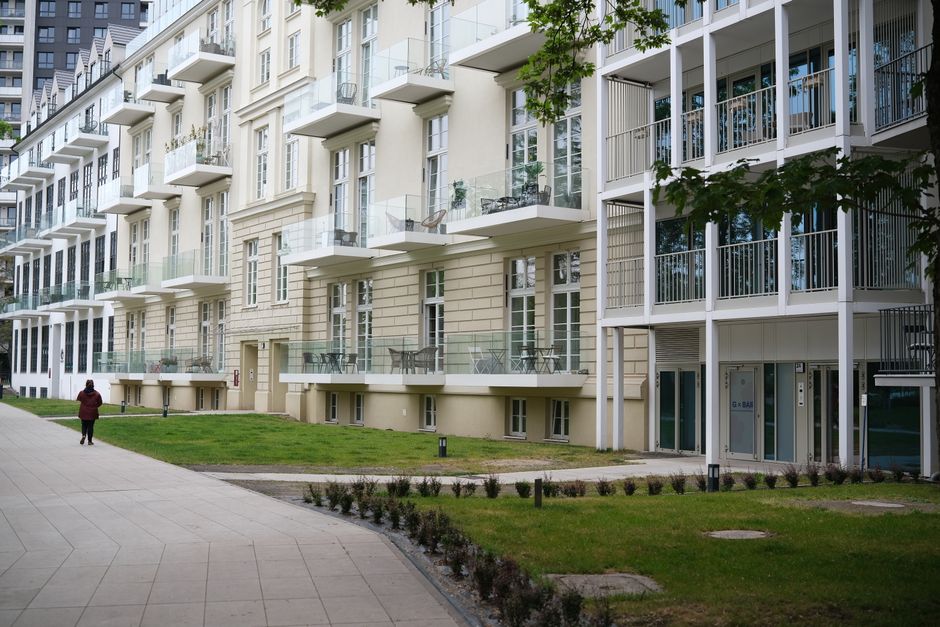
Senakw Tower 1, the first phase of the Squamish Nation’s massive rental development on Vancouver’s Burrard Street Bridge, has leased 100 of its 400 units as of June 26, 2026. The project, overseen by Nch’ḵay̓ Development Corporation and marketed by Rennie, began leasing in early June with rents ranging from $1,735 for lower-floor studios to $4,510 for high-end two-bedroom units.
Public scrutiny intensified after a premature online listing revealed a four-bedroom penthouse rent of $12,500 per month and a three-bedroom penthouse at $9,070. These figures were quickly removed from public view following backlash, though the project team maintains that the remaining unit range offers competitive market value for a new build in a prime location.
Tower 1 is one of three towers in the first phase, which will deliver 1,400 rental homes, including 280 below-market units prioritized for First Nation members. With Tower 2 and Tower 3 expected to complete in September and December 2026 respectively, the project continues to draw attention for its scale, Indigenous leadership, and complex financing structure involving a $1.4-billion federal loan.
Why It Matters
The Senakw project represents a significant shift in Vancouver’s housing landscape as a large-scale, Indigenous-led development operating on reserve land. Because it is situated on Squamish Nation territory, the project is exempt from municipal zoning bylaws and parking requirements, relying instead on a services agreement with the City of Vancouver for utilities and infrastructure. This exemption has drawn criticism from some Kitsilano residents and urban planners concerned about density and parking limitations, even as the project complies with provincial and municipal code regulations.
The backlash over penthouse rents highlights the tension between the project’s goal of generating long-term revenue for the Squamish Nation and the affordability concerns of local renters. While the project is not traditional affordable housing, the inclusion of 280 below-market units and the sheer volume of supply are seen by experts as critical for maintaining vacancy levels and stabilizing the broader rental market in Metro Vancouver.
Furthermore, the project’s financial structure sets a precedent for future Indigenous economic development. The involvement of major institutional investors like OPTrust, which recently acquired a 50% stake in the first two phases as Westbank exited, signals strong institutional confidence in the model despite the public relations challenges surrounding pricing.
Local Vancouver / Burnaby Context
Senakw is located on 10.5 acres of Squamish Nation land at the south end of the Burrard Street Bridge, directly connecting Downtown Vancouver and Kitsilano. The site holds deep historical significance, as the Squamish People were forcibly removed from the Senakw village site over a century ago; the project is viewed as a return to their traditional lands.
In the broader Vancouver context, purpose-built rental supply has been a critical policy focus. The BC Short-Term Rental Accommodations Act and other regulatory frameworks aim to preserve long-term rental stock, making Senakw’s commitment to long-term leases particularly relevant. However, the project’s exemption from municipal parking bylaws and its high density have sparked debate about urban planning standards on reserve lands versus municipal jurisdictions.
Local market data indicates that while the rental market has cooled, creating balanced conditions for tenants, the introduction of 1,400 units in the first phase alone will significantly impact neighborhood dynamics. The project’s commercial component, including 100,000 square feet of retail and 45,000 square feet of office space, will also reshape the local economy, with Vancity Credit Union set to open as the first commercial tenant in Fall 2026.
Market Impact
The release of 100 units in Tower 1 provides immediate supply to the Downtown and Kitsilano rental markets, potentially easing pressure on nearby older buildings. However, the wide rent spectrum—from $1,735 studios to $12,500 penthouses—means the project serves diverse income levels, with the majority of units targeting middle-to-upper income renters.
The limited vehicle parking (a small fraction of residents) may deter car-dependent households, potentially shifting demand toward bike-friendly or transit-oriented renters. For existing landlords in the immediate vicinity, the influx of new, amenity-rich units could increase competition, particularly for luxury penthouse tenants. Conversely, the 280 below-market units provide a buffer for lower-income renters, though eligibility is tied to First Nation membership.
The project’s scale—over 6,000 homes across four phases—will have a long-term dampening effect on rental price growth in the area, as experts note that such large volumes are necessary to maintain healthy vacancy rates. The presence of institutional investors like OPTrust suggests that the project is viewed as a stable, long-term asset rather than a speculative flip, which may contribute to market stability.
Investor / Buyer Takeaway
- Renters should note that eligibility for market rental homes requires household income at least 2.5 times the monthly rent, filtering out lower-income applicants.
- Buyers of rental properties in the immediate vicinity may face increased competition from new, modern units with extensive amenities, potentially affecting their own rental yields.
- Investors should monitor the leasing velocity of Towers 2 and 3; strong performance in Tower 1 could validate the project’s market position despite the penthouse pricing controversy.
- Tenants interested in below-market units must verify First Nation membership eligibility, as these 280 units are prioritized for Squamish Nation members.
- Watch for the opening of the 25,000 sq. ft. wellness pavilion in late 2026, as its completion will enhance the value proposition for Tower 1 residents and influence future leasing strategies.
Builder / Developer Perspective
For Nch’ḵay̓ Development Corporation and its partners, Senakw is a landmark economic development strategy designed to generate long-term revenue for the Squamish Nation. The project’s financing, including a $1.4-billion federal low-interest loan from CMHC in 2022, underscores its significance as the largest First Nations economic partnership in Canadian history.
The exit of Westbank and the entry of OPTrust as a 50% stakeholder in the first two phases indicate a shift toward institutional capital, which may ease financing risks but also introduces greater scrutiny over returns and pricing. Builders face the challenge of delivering high-density, amenity-rich units on a tight 10.5-acre site while navigating the complexities of reserve land regulations.
The project’s success will depend on balancing the need for revenue generation with the political and social expectations of the Squamish Nation and the broader public. The limited parking and exemption from municipal bylaws require careful management of resident expectations and community relations.
Risk Factors
- Public backlash over high-end penthouse rents could damage the project’s reputation and influence future leasing strategies or political support.
- Limited vehicle parking may lead to resident dissatisfaction or enforcement issues, particularly in a neighborhood with historical car dependency.
- Exemption from municipal bylaws could trigger legal or political challenges from local residents or city officials regarding density and infrastructure impacts.
- Reliance on a small proportion of below-market units for affordability means the majority of the project remains sensitive to market fluctuations and income requirements.
- Construction delays in Towers 2 and 3 could impact the projected cash flow and the timeline for delivering the full 1,400-unit first phase.
BurnabyHouse Insight
Senakw is not just a housing project; it is a test case for Indigenous-led urban development in a high-cost market. The backlash over the $12,500 rent is less about the specific number and more about the visibility of profit margins on reserve land, where municipal oversight is limited. The project’s ability to lease 100 units quickly suggests strong demand for quality supply, but the penthouse pricing controversy highlights the delicate balance between economic development and social license. For the broader market, Senakw’s scale and institutional backing signal a maturation of the purpose-built rental sector, moving beyond speculative builds to long-term, community-integrated developments. The key takeaway is that while the project offers significant supply, its impact on affordability is nuanced, with the majority of units targeting market-rate renters who meet strict income thresholds.
Community
Questions, Answers & Comments
Ask a question, add context, or leave a comment. Public posts appear after review.
No public questions or comments yet. Be the first to ask.