Eby says B.C. excluded from Alberta pipeline talks as July deadline nears
Key Takeaways
- What happened
- British Columbia Premier David Eby stated that the province is being excluded from discussions regarding a new bitumen pipeline proposed by Alberta, criticizing the federal government for rewarding Alberta's "bad behaviour" by advancing the project.
- Location
- The pipeline would reach the West Coast of Canada, specifically the North Coast of British Columbia.
- Key points
-
- The exclusion of B.C.
- David Eby announced he will meet with Prime Minister Carney next week to discuss B.C.'s projects
- The agreement commits federal government and Alberta to consult B.C. on the proposed pipeline
- Local impact
- In British Columbia, the proposed pipeline has sparked intense debate, particularly among Coastal First Nations who have consistently opposed any development on their traditional territories. For Metro Vancouver buyers, sellers, developers and investors, watch financing cost, transaction pace, supply mix and policy expectations.
- Who should watch
- ["Monitor the outcome of Eby's upcoming meeting with Prime Minister Carney to gauge B.C.'s influence on the pipeline project.", 'Be aware of the potential for legal challenges from Coastal First Nations and environmental groups, which…
Generating audio…



What Happened
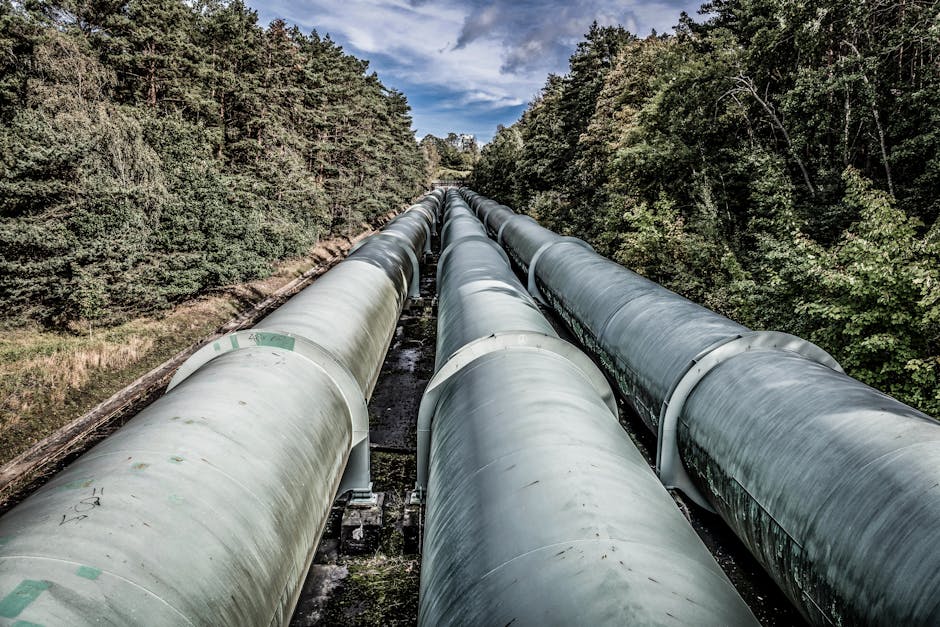
British Columbia Premier David Eby stated that the province is being excluded from discussions regarding a new bitumen pipeline proposed by Alberta, criticizing the federal government for rewarding Alberta's "bad behaviour" by advancing the project. The controversy stems from an implementation agreement signed by Prime Minister Mark Carney and Alberta Premier Danielle Smith, which commits both parties to consult B.C. on the pipeline's development. This agreement aims to advance the project to Ottawa's major projects office by the July 1, 2026 deadline, with the potential for a national interest declaration by October 2026 to expedite the process. Eby emphasized that no project or route should proceed without the support of affected First Nations and the province, highlighting the Coastal First Nations' firm opposition to any pipeline or oil tankers on B.C.'s North Coast. The Premier is scheduled to meet with Prime Minister Carney next week to discuss B.C.'s own shovel-ready projects and ensure they receive necessary federal coordination.
Why It Matters
The exclusion of B.C. from pipeline talks underscores the deepening rift between the province and the federal government, exacerbated by Alberta's threats of separation. Eby's criticism highlights the political stakes, as the federal government appears to be prioritizing an agreement with Alberta over B.C.'s economic interests and environmental concerns. This dynamic threatens to undermine B.C.'s ability to influence the outcome of a project that could significantly impact its coastal ecosystems and Indigenous rights. The situation also raises questions about the fairness of federal-provincial relations, with Eby arguing that B.C. should not be sidelined while Alberta leverages its separation threats to gain concessions. The potential national interest declaration further complicates matters, as it could override provincial objections and accelerate the pipeline's timeline regardless of local opposition.
Local Vancouver / Burnaby Context
In British Columbia, the proposed pipeline has sparked intense debate, particularly among Coastal First Nations who have consistently opposed any development on their traditional territories. The province has previously described Alberta's pipeline idea as fanciful and unrealistic, reflecting a long-standing tension over resource development and environmental protection. B.C.'s government has also emphasized the importance of its own 35 shovel-ready projects, which could create jobs and prosperity if given adequate federal support. The political landscape is further complicated by the Conservative Party of B.C., which has praised the Carney-Smith agreement and criticized Eby for not working for the national interest. Meanwhile, environmental groups like Ecojustice and the B.C. Greens have voiced strong opposition, warning of climate risks and the damage to coastal ecosystems. The issue of Alberta separatism has become an "elephant in the room" during discussions about Canada's economic future, adding another layer of complexity to the pipeline debate.
Market Impact
The pipeline proposal could have significant implications for B.C.'s energy sector and coastal communities. If approved, it could lead to increased oil tankers on the North Coast, raising concerns about environmental risks and the impact on Indigenous livelihoods. The project's timeline, with a potential national interest declaration by October 2026, suggests a rapid acceleration that could bypass thorough environmental assessments and community consultations. This could create uncertainty for investors and developers in B.C., particularly those involved in the province's own shovel-ready projects. The political tension between B.C. and the federal government may also affect the province's ability to attract investment and support for its economic priorities. Additionally, the opposition from Coastal First Nations and environmental groups could lead to legal challenges and delays, further complicating the project's feasibility.
Investor / Buyer Takeaway
- Monitor the outcome of Eby's upcoming meeting with Prime Minister Carney to gauge B.C.'s influence on the pipeline project.
- Be aware of the potential for legal challenges from Coastal First Nations and environmental groups, which could delay or derail the pipeline.
- Consider the impact of the pipeline on B.C.'s coastal ecosystems and Indigenous rights, which may affect investment in related sectors.
- Watch for developments in B.C.'s 35 shovel-ready projects, as federal support may be contingent on the province's ability to negotiate favorable terms.
- Stay informed about the political dynamics between B.C., Alberta, and the federal government, as they could influence the project's timeline and feasibility.
Builder / Developer Perspective
For builders and developers in B.C., the pipeline proposal presents both opportunities and challenges. If the project proceeds, it could create demand for construction services and related infrastructure, particularly in the North Coast region. However, the strong opposition from Coastal First Nations and environmental groups could lead to significant delays and increased costs due to legal challenges and regulatory hurdles. The political tension between B.C. and the federal government may also affect the province's ability to support the project, potentially limiting the availability of federal funding and coordination. Developers should closely monitor the outcome of Eby's meeting with Prime Minister Carney and the progress of B.C.'s own shovel-ready projects to assess the broader economic and political landscape.
Risk Factors
- Legal challenges from Coastal First Nations and environmental groups could delay or halt the pipeline project.
- Political tension between B.C. and the federal government may reduce the province's ability to influence the project's outcome.
- The potential for a national interest declaration by October 2026 could override provincial objections and accelerate the timeline, increasing the risk of inadequate consultation and assessment.
- Opposition from B.C. Greens and environmental groups highlights the conflict between pipeline development and renewable energy goals, which could affect public support and investment.
- The lack of a defined proponent or route for the pipeline adds uncertainty to its feasibility and timeline.
BurnabyHouse Insight
The Alberta pipeline debate is not just about energy; it's a proxy for broader tensions between provincial autonomy and federal authority in Canada. B.C.'s exclusion from talks signals a shift in federal priorities, potentially at the expense of provincial interests and environmental safeguards. For local stakeholders, the key takeaway is the need to stay engaged in the political process and advocate for B.C.'s interests. The outcome of Eby's meeting with Prime Minister Carney will be critical in determining whether B.C. can secure a meaningful role in the project's development. Meanwhile, the strong opposition from Coastal First Nations and environmental groups underscores the importance of Indigenous rights and environmental protection in the decision-making process. Ultimately, the pipeline's fate will depend on a complex interplay of political, legal, and economic factors, with significant implications for B.C.'s future.
Community
Questions, Answers & Comments
Ask a question, add context, or leave a comment. Public posts appear after review.
No public questions or comments yet. Be the first to ask.