Federal and B.C. Governments Announce $5 Billion Plan to Buy Vacant Condos for Affordable Housing
Key Takeaways
- What happened
- Prime Minister Mark Carney and B.C.. Premier David Eby announced a joint investment plan on Thursday to purchase vacant condominium units in Metro Vancouver and convert them into affordable housing.
- Location
- Metro Vancouver.
- Key points
-
- This plan represents a significant shift in how both levels of government are addressing the…
- Announcement of investment plan Thursday ['Mark Carney', 'David Eby']
- Poilievre's press conference Sunday afternoon
- Local impact
- In Metro Vancouver, the vacancy rate for completed condos has become a critical issue, with 4,376 units currently sitting empty. This 76% year-over-year increase reflects a broader trend of oversupply in the luxury and high-end condo markets, where developers have struggled to sell units at profitable prices. For Metro Vancouver buyers, sellers, developers and investors, watch financing cost, transaction pace, supply mix and policy expectations.
- Who should watch
- ['Buyers should monitor the pace of government purchases, as a rapid uptake could stabilize prices in specific neighborhoods with high vacancy rates.', 'Investors in vacant condos may face reduced liquidity as the government enters the…


What Happened
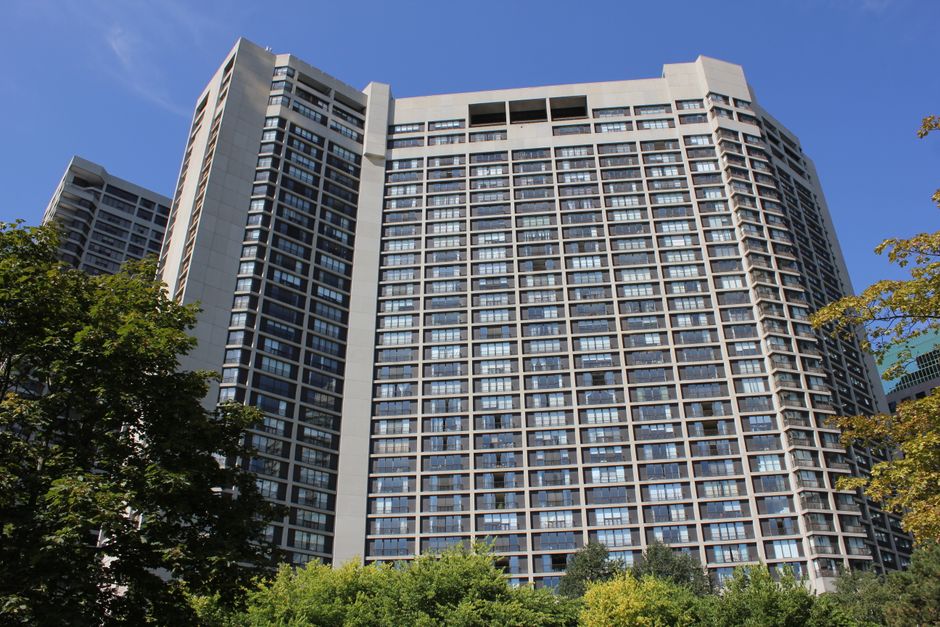
Prime Minister Mark Carney and B.C. Premier David Eby announced a joint investment plan on Thursday to purchase vacant condominium units in Metro Vancouver and convert them into affordable housing. The federal government will contribute more than $5 billion over the next 10 years to support this initiative, which aims to convert over 2,200 vacant units through the new Canada-British Columbia Partnership on Condo Conversion. The program also includes lowering development charges for multi-unit housing by up to 50%, potentially saving builders $40,000 per unit. Conservative Leader Pierre Poilievre criticized the plan during a press conference on Sunday, labeling it a "bailout" for developers who made bad business decisions during the housing bubble. The announcement comes as data shows there are 4,376 completed condos sitting empty in Metro Vancouver, a 76% increase from the same period a year ago.
Why It Matters
This plan represents a significant shift in how both levels of government are addressing the housing crisis, moving beyond just building new supply to actively managing existing inventory. By purchasing vacant units, the government aims to quickly increase the stock of affordable housing without the long lead times associated with new construction. The Prime Minister's Office described this as one of the fastest and most efficient ways to increase housing supply, highlighting the urgency of the situation.
However, the political fallout is immediate and sharp. Critics argue that the plan prioritizes rescuing developers over solving affordability issues, effectively socializing losses while allowing private profits. This debate underscores the tension between stabilizing the real estate market and ensuring that housing policies genuinely benefit low- and middle-income residents. The success of this initiative will depend on how effectively the government can navigate the complexities of property acquisition and conversion while maintaining public trust.
Local Vancouver / Burnaby Context
In Metro Vancouver, the vacancy rate for completed condos has become a critical issue, with 4,376 units currently sitting empty. This 76% year-over-year increase reflects a broader trend of oversupply in the luxury and high-end condo markets, where developers have struggled to sell units at profitable prices. The BC Housing Supply Act requires municipalities to set housing targets and submit needs reports, but the current vacancy crisis suggests that market-driven development has not aligned with affordable housing needs.
Local context also includes the role of the Build Communities Strong Fund and other provincial initiatives aimed at accelerating homebuilding. The partnership between Ottawa and Victoria leverages innovative financing tools to address these gaps, but it also raises questions about the long-term sustainability of such interventions. Burnaby and other municipalities in the region are closely watching how this plan affects local development charges and zoning regulations, as well as the potential for similar strategies to be applied to other housing types.
Market Impact
The immediate impact on the condo market is likely to be a stabilization of prices in the vacant unit segment, as the government becomes a major buyer. This could reduce the downward pressure on prices that has been affecting developers and investors. However, the long-term impact on affordability depends on how many units are actually converted and at what price points. If the conversion process is slow or bureaucratic, the intended supply increase may not materialize quickly enough to ease rental or purchase pressures.
For existing condo owners, the plan may signal a floor under prices, reducing the risk of further declines. For renters, the potential increase in affordable housing stock could provide some relief, but the scale of the vacancy problem means that this plan alone may not be sufficient to address the broader affordability crisis. The reduction in development charges could also encourage more multi-unit construction, potentially adding to the supply in the coming years.
Investor / Buyer Takeaway
- Buyers should monitor the pace of government purchases, as a rapid uptake could stabilize prices in specific neighborhoods with high vacancy rates.
- Investors in vacant condos may face reduced liquidity as the government enters the market as a major buyer, potentially limiting resale options.
- Sellers of completed but vacant units may find a new pool of buyers in the form of government agencies, but the sale process may be slower than traditional market transactions.
- Renters should watch for announcements on which specific buildings or neighborhoods are targeted for conversion, as these areas may see improved affordability options.
- Watch for changes in development charges and zoning rules, as the 50% reduction for multi-unit housing could incentivize new construction in areas with high vacancy.
Builder / Developer Perspective
Developers are likely to view the plan with mixed feelings. On one hand, the government's willingness to buy vacant units provides a potential exit strategy for projects that are struggling to sell. The reduction in development charges by up to 50% also lowers the cost of new multi-unit construction, improving feasibility for future projects. However, the criticism of the plan as a "bailout" may lead to political pressure to tighten regulations or increase fees in the future, creating uncertainty for the industry.
The partnership also highlights the importance of innovative financing tools in addressing housing supply issues. Developers may need to adapt their business models to work more closely with government agencies, potentially involving more public-private partnerships. The success of this initiative will depend on how well the government can streamline the acquisition and conversion process, ensuring that it does not become bogged down in bureaucracy.
Risk Factors
- Policy reversal risk: Political opposition could lead to changes in the plan or funding cuts if the government changes or public sentiment shifts.
- Implementation delay: The process of acquiring, converting, and managing vacant units may be slower than anticipated, limiting the immediate impact on supply.
- Affordability gap: If converted units are not priced or rented at truly affordable levels, the plan may fail to address the core affordability crisis.
- Market distortion: Government intervention could distort local condo markets, affecting prices and investment decisions in ways that are difficult to predict.
- Developer dependency: Developers may become reliant on government buyouts, reducing their incentive to manage inventory effectively or innovate in product design.
BurnabyHouse Insight
The federal-B.C. condo buyout plan is a bold experiment in using public funds to correct market failures, but it risks being perceived as a rescue for developers rather than a solution for residents. The key to its success lies in transparency and speed: if the government can quickly convert vacant units into affordable housing and clearly demonstrate the benefits to low-income families, it may win public support. However, if the process is slow or the units are not truly affordable, the political backlash could undermine future housing initiatives. BurnabyHouse will continue to monitor the implementation of this plan and its impact on local markets.
Community
Questions, Answers & Comments
Ask a question, add context, or leave a comment. Public posts appear after review.
No public questions or comments yet. Be the first to ask.