OPEC Forecasts No Peak in Oil Demand Through 2050, Citing Energy Security
Key Takeaways
- What happened
- The Organization of the Petroleum Exporting Countries (OPEC) has forecasted robust growth in global oil demand, explicitly rejecting the notion of a peak in consumption through 2050.
- Location
- Global markets / U.S. / Middle East (indirect for Metro Vancouver)
- Key points
-
- OPEC's stance signals a fundamental shift in global energy policy where energy security and…
- Oil demand projected to rise to 113.3 million barrels a day 2030
- Oil demand projected to rise to 124.1 million barrels a day 2050
- Local impact
- Oil and energy cost shifts feed into inflation and rate expectations first, then into Canadian mortgage rates, development financing and Metro Vancouver housing carrying costs and supply-demand expectations.
- Who should watch
- - Monitor global supply chain disruptions in the Middle East, as they directly impact oil prices and global inflation. - Consider the long-term viability of oil investments given the $17.7 trillion investment requirement cited by OPEC.
Generating audio…



What Happened
The Organization of the Petroleum Exporting Countries (OPEC) has forecasted robust growth in global oil demand, explicitly rejecting the notion of a peak in consumption through 2050. The cartel projects that global oil demand will rise to 105.1 million barrels a day in 2025, reaching 113.3 million barrels a day by 2030, and climbing to 124.1 million barrels a day by 2050. This outlook stands in contrast to the International Energy Agency's more cautious predictions regarding demand destruction.
OPEC identifies India as the primary driver of this growth, contributing 8.1 million barrels a day to the increase. The largest increments in demand are expected to come from Asia, the Middle East, Africa, and Latin America, with road transportation, petrochemicals, and aviation serving as the main consumption sectors. To meet these long-term needs, OPEC estimates that $17.7 trillion in investments are required from 2026 to 2050, averaging over $700 billion annually.
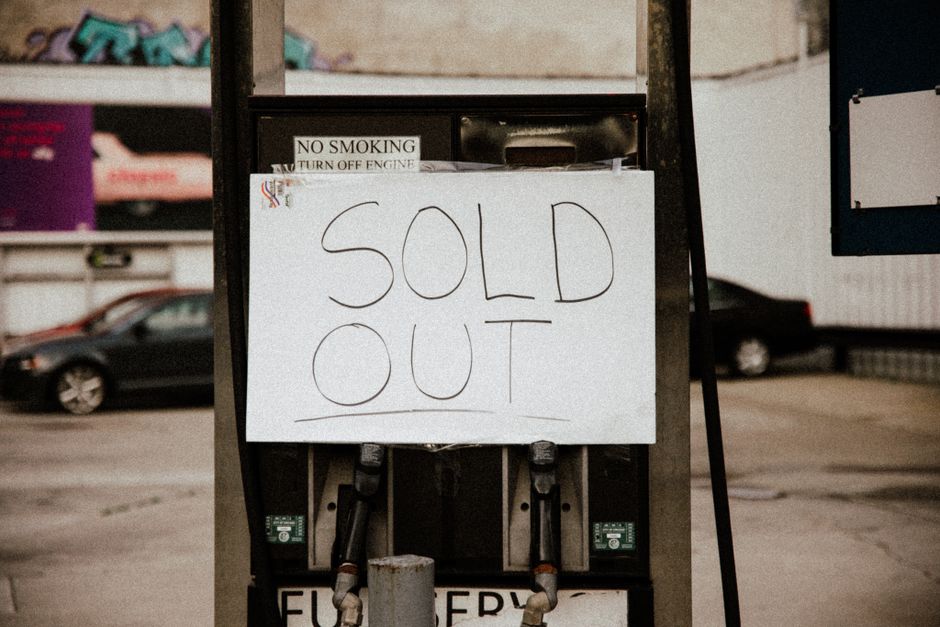
Despite the bullish long-term demand forecast, OPEC acknowledged near-term supply disruptions caused by the conflict in the Middle East. Oil production among member states has fallen more than 30%, or 9.7 million barrels a day, since the war involving Iran began in late February. OPEC has lowered its 2026 demand growth forecast to approximately 1.2 million barrels a day, down from 1.4 million barrels a day, while noting that US tight crude production is expected to peak at just over 9 million barrels a day in 2025.
Why It Matters
OPEC's stance signals a fundamental shift in global energy policy where energy security and affordability are prioritized alongside climate goals. The organization argues that the increased focus on securing reliable energy supplies has altered the landscape, necessitating sustained investment across all energy technologies. This perspective challenges narratives that suggest a rapid decline in fossil fuel demand due to environmental regulations or renewable energy adoption.
The forecast highlights the continued reliance on oil in developing economies and key industrial sectors. By projecting demand to reach 124.1 million barrels a day by 2050, OPEC is making a case for continued capital expenditure in oil exploration and infrastructure. This creates a divergence between the investment timelines required for oil supply and the decarbonization targets set by various governments, potentially leading to market volatility if supply does not keep pace with the projected growth.
Local Vancouver / Burnaby Context
For residents and investors in Burnaby and Greater Vancouver, global oil demand forecasts have indirect but tangible effects on local economic conditions. While Burnaby is not an oil-producing municipality, the region's economy is sensitive to energy prices which influence transportation costs, construction material prices, and consumer spending power. High oil prices, often driven by supply constraints like those in the Strait of Hormuz, can increase logistics costs for goods entering the 低陆平原.
Furthermore, the local housing and development sector is impacted by broader economic stability. If energy security concerns drive prolonged high oil prices, inflationary pressures may persist, affecting mortgage rates and buyer affordability in the Burnaby real estate market. The region's commitment to climate goals, including emissions reduction targets, may face tension with the global reality of sustained oil demand growth as outlined by OPEC. Local policymakers must balance environmental objectives with the economic realities of a global market that continues to rely heavily on petroleum.
Market Impact
The divergence between OPEC's bullish demand forecast and the IEA's concerns about demand destruction suggests potential volatility in crude prices. If supply disruptions from the Middle East persist while demand remains robust, prices could remain elevated. This benefits oil-producing regions and companies but increases costs for consumers and industries dependent on fuel.
For the broader energy market, the forecast implies that the transition away from oil will be slower than anticipated. This may delay investment in alternative energy sources if oil revenues remain high, or conversely, accelerate it if price spikes trigger policy shifts. The peak of US tight crude production at just over 9 million barrels a day in 2025 indicates that non-OPEC supply growth may be limited, giving OPEC members more influence over market balances.
Investor / Buyer Takeaway
- Monitor global supply chain disruptions in the Middle East, as they directly impact oil prices and global inflation.
- Consider the long-term viability of oil investments given the $17.7 trillion investment requirement cited by OPEC.
- Watch for policy shifts in major economies like the US and Europe as they balance energy security with climate goals.
- Be aware that sustained high oil prices can impact construction costs and consumer spending in local markets like Burnaby.
- Track India's economic growth as a key indicator of future oil demand trends.
Builder / Developer Perspective
For builders and developers, the forecast of sustained oil demand growth suggests that energy costs may remain a significant variable in project feasibility. The need for $700 billion in annual investment to meet long-term oil demand indicates that the oil industry will continue to be a major economic force, potentially influencing labor markets and material costs in energy-intensive sectors.
However, the local regulatory environment in Burnaby and BC continues to push for emissions reductions. Developers must navigate the tension between global energy realities and local sustainability mandates. The projected peak in US tight crude production may also affect the availability and cost of certain petrochemical-based building materials, impacting construction budgets.
Risk Factors
- Geopolitical instability in the Middle East could lead to further supply disruptions and price spikes.
- A faster-than-expected transition to renewable energy could render OPEC's demand forecasts obsolete.
- Economic slowdowns in key growth regions like Asia could reduce oil demand below projections.
- Policy changes in the US and Europe prioritizing climate goals over energy security could impact investment flows.
- Strained relations between OPEC members and non-OPEC producers could lead to market fragmentation.
BurnabyHouse Insight
OPEC's rejection of a peak oil demand narrative is a strategic move to justify continued investment in fossil fuels amidst global climate pressures. By highlighting energy security and the specific demand drivers in Asia and Africa, the cartel is attempting to shift the conversation from environmental limits to economic necessity. For local observers, this underscores the complexity of the global energy transition; while Burnaby and BC pursue aggressive climate targets, the global market may remain dependent on oil for decades. This disconnect can lead to price volatility that affects local economies, making energy security a relevant, albeit indirect, concern for residents and investors in the 低陆平原.
Community
Questions, Answers & Comments
Ask a question, add context, or leave a comment. Public posts appear after review.
No public questions or comments yet. Be the first to ask.