← Back to news
2026-06-15 18:37

Metro Vancouver and its union go to mediation just as members take strike action

Key Takeaways

What happened
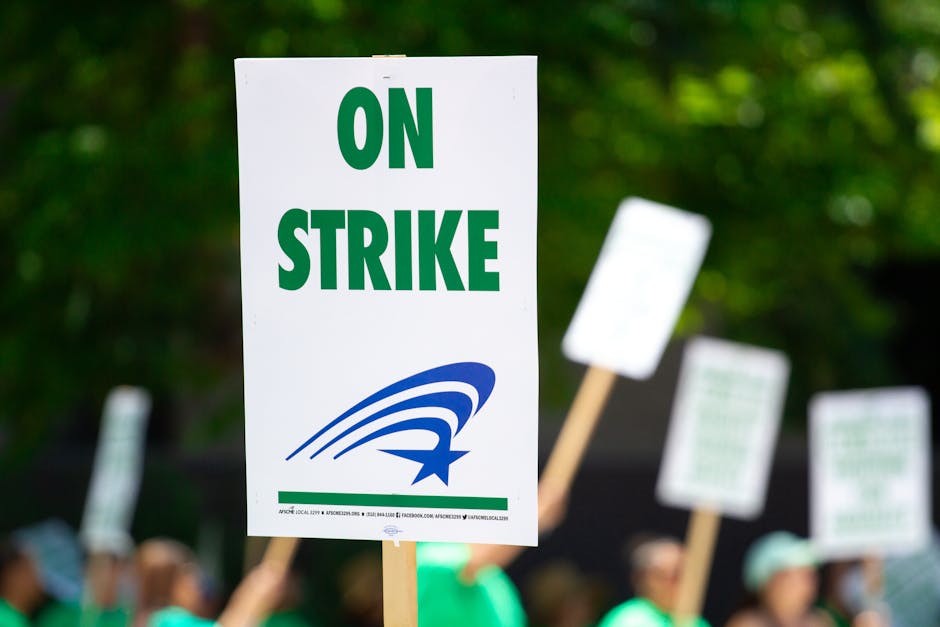
More than 110 animal welfare workers across the 低陆平原 have approved strike action in their labour dispute with British Columbia's SPCA.
Location
Workers operate at animal hospitals and shelters, and as front-line staff such as protection officers
Key points
  • The labour dispute highlights the operational pressures on animal welfare organizations in the…
  • More than 110 animal welfare workers across the Lower Mainland approved strike action in their…
  • CUPE 1622 members voted 97.5 per cent in favour of strike action
Local impact
This dispute involves CUPE 1622, which represents workers covering Metro Vancouver and the Fraser Valley. The workers operate at animal hospitals and shelters, and as front-line staff such as protection officers. The union has issued a 72-hour strike notice prior to the action. For Metro Vancouver buyers, sellers, developers and investors, watch financing cost, transaction pace, supply mix and policy expectations.
Who should watch
- Monitor the outcome of the mediation for any long-term impacts on animal welfare services in the region. - Be aware that disruptions to animal shelters could affect local pet adoption availability.
Metro Vancouver and its union go to mediation just as members take strike action

What Happened

More than 110 animal welfare workers across the 低陆平原 have approved strike action in their labour dispute with British Columbia's SPCA. CUPE 1622, the union representing staff in Metro Vancouver and the Fraser Valley, reported that its members voted 97.5 per cent in favour of the mandate. The vote follows nine rounds of negotiations that failed to produce an agreement after the previous contract expired in December. Key unresolved issues include wages, improved benefits, and workplace supports to address staff burnout. CUPE 1622 President Annabelle van Rikxoort noted that workers regularly deal with neglected and abused animals, a reality that takes a significant toll on staff. The union applied for mediation with the B.C. Labour Relations Board to restart negotiations. Simultaneously, Metro Vancouver has agreed to mediation regarding its own outside workers' union, which has already begun strike action including overtime bans. The SPCA strike is viewed by the union as a last resort to pressure employers back to the bargaining table.

Why It Matters

The labour dispute highlights the operational pressures on animal welfare organizations in the region. With the previous agreement expiring in December, the lack of a new contract has left wages and benefits in limbo. The union argues that fair compensation and workplace supports are essential to retain experienced staff who provide high-quality care. The strike action is intended to force a return to negotiations, potentially impacting service delivery at animal hospitals and shelters. The parallel mediation efforts with Metro Vancouver suggest a broader trend of labour tensions in the public service and animal welfare sectors across the 低陆平原.

Local Vancouver / Burnaby Context

This dispute involves CUPE 1622, which represents workers covering Metro Vancouver and the Fraser Valley. The workers operate at animal hospitals and shelters, and as front-line staff such as protection officers. The union has issued a 72-hour strike notice prior to the action. The Greater Vancouver Regional District Employees' Union has been involved in previous strike actions, indicating a history of labour disputes in the region. The report is sourced from Burnaby, where the union's activities are centered. The involvement of the B.C. Labour Relations Board in mediation is a standard step in resolving such disputes, but the timing coincides with the start of strike action by Metro Vancouver's outside workers. This parallel movement suggests a coordinated or simultaneous escalation in labour relations across different sectors in the region.

Market Impact

While this dispute is primarily a labour issue, it may have indirect impacts on the local community and animal welfare services. Potential disruptions to animal shelter operations could affect pet adoption rates and animal care services. The dispute may also influence public perception of animal welfare organizations and their ability to retain staff. For the broader real estate market, the impact is likely minimal, but it serves as an indicator of labour market dynamics in the region.

Investor / Buyer Takeaway

- Monitor the outcome of the mediation for any long-term impacts on animal welfare services in the region.

- Be aware that disruptions to animal shelters could affect local pet adoption availability.

- Consider the broader labour market trends in the 低陆平原 as an indicator of economic conditions.

- No direct impact on real estate investment or buyer decisions is expected from this specific dispute.

Builder / Developer Perspective

This dispute does not directly impact builders or developers. However, it highlights the challenges in retaining staff in the animal welfare sector, which may have broader implications for community services. Builders and developers should continue to monitor labour market trends and regulatory changes that could affect their operations.

Risk Factors

- Potential disruptions to animal welfare services if the dispute is not resolved quickly.

- Impact on staff retention and morale within the animal welfare sector.

- Possible public backlash if animal welfare services are significantly disrupted.

- Uncertainty regarding the outcome of mediation and potential for further labour actions.

BurnabyHouse Insight

The simultaneous labour actions by SPCA workers and Metro Vancouver's outside workers underscore a period of heightened labour tension in the 低陆平原. For local readers, this signals a potential shift in how public service and animal welfare organizations manage their workforce. The emphasis on workplace burnout and fair compensation reflects broader industry challenges. While the immediate impact on real estate is limited, the resolution of these disputes could influence community services and public sentiment in the region.

Community

Questions, Answers & Comments

Ask a question, add context, or leave a comment. Public posts appear after review.

No public questions or comments yet. Be the first to ask.

Gary Gao

REALTOR®, Grand Central Realty

Covers Burnaby, Vancouver and Metro Vancouver real estate news, communities, developments, land use and market analysis.

Phone: 778-801-1314 · Full author profile

BurnabyHouse AI Assistant