B.C. Government Exempts FortisBC for $2-Billion Tilbury LNG Expansion
Key Takeaways
- What happened
- The British Columbia government has issued an order-in-council exempting FortisBC from the requirement to obtain a certificate of public convenience and necessity from the B.C.. Utilities Commission for the Tilbury LNG facility expansion.
- Location
- Tilbury LNG facility in Delta, B.C., within the Metro Vancouver area.
- Key points
-
- This regulatory exemption represents a significant shift in how the province handles…
- Estimated tax revenues of $260 million
- Expansion described as a $2-billion investment
- Local impact
- The Tilbury LNG facility is situated in Delta, directly within the Metro Vancouver region, making its expansion a local infrastructure event with regional energy implications. While the project is an industrial energy development rather than a residential housing initiative, it intersects with broader regional planning discussions in the Lower Mainland. For Metro Vancouver buyers, sellers, developers and investors, watch financing cost, transaction pace, supply mix and policy expectations.
- Who should watch
- ['Construction and industrial sector investors may see opportunities in supply chains related to the $2-billion Tilbury expansion.', 'Local Delta businesses may benefit from increased economic activity and the 1,100 jobs generated during…



What Happened
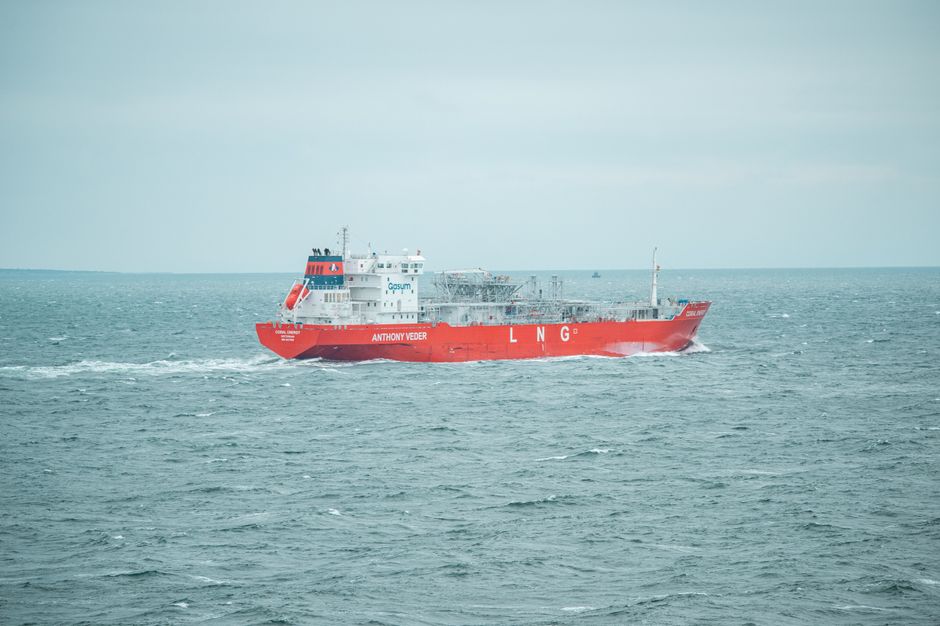
The British Columbia government has issued an order-in-council exempting FortisBC from the requirement to obtain a certificate of public convenience and necessity from the B.C. Utilities Commission for the Tilbury LNG facility expansion. Energy Minister Adrian Dix announced the decision on July 24, 2026, clearing a regulatory hurdle to allow the $2-billion investment to proceed. The exemption applies to the facility located in Delta, B.C., within the Metro Vancouver area, and is intended to accelerate the project timeline. During the estimated construction period, the expansion is projected to create 1,100 jobs and generate $260 million in tax revenues. While this phase moves forward, a separate Tilbury Phase 2 expansion continues to undergo the environmental assessment process, with public comment open until July 27, 2026.
Why It Matters
This regulatory exemption represents a significant shift in how the province handles large-scale energy infrastructure, bypassing the standard utility commission permitting process to prioritize speed and investment. By allowing the $2-billion project to advance without the usual certificate of public convenience and necessity, the government is signaling a preference for rapid energy development in the 低陆平原. The immediate impact is the validation of FortisBC's capacity expansion plans, which are critical for supporting industrial demand in the region. The projected economic benefits, including 1,100 construction jobs and substantial tax revenue, provide a tangible boost to the local economy during the build-out phase. However, the decision also highlights the government's ability to use order-in-council powers to streamline complex infrastructure approvals, potentially setting a precedent for future utility projects in Metro Vancouver.
Local Vancouver / Burnaby Context
The Tilbury LNG facility is situated in Delta, directly within the Metro Vancouver region, making its expansion a local infrastructure event with regional energy implications. While the project is an industrial energy development rather than a residential housing initiative, it intersects with broader regional planning discussions in the 低陆平原. The province's housing targets and the BC Housing Supply Act focus on municipal density and housing needs reports, which are distinct from the energy infrastructure approvals managed by the provincial government. Local context for Metro Vancouver residents typically involves monitoring how energy infrastructure projects influence regional utility costs and industrial land use, rather than direct impacts on residential zoning or rental markets. The proximity of the facility to populated areas in Delta and Metro Vancouver means that environmental and safety considerations remain relevant to local community discourse, even as the government prioritizes economic development.
Market Impact
The $2-billion investment in the Tilbury LNG facility will inject significant capital into the Delta and Metro Vancouver construction sector, supporting local contractors and suppliers during the build phase. The creation of 1,100 jobs will increase demand for local services and potentially short-term housing for workers in the area. For the broader energy market, the expansion reinforces Metro Vancouver's role as a hub for liquefied natural gas infrastructure, influencing regional energy supply dynamics. There is no direct impact on residential property values or mortgage rates from this specific industrial project, but the associated tax revenues may contribute to municipal service funding in Delta. The project's progression is closely watched by industrial real estate stakeholders who monitor energy availability and cost stability for commercial operations.
Investor / Buyer Takeaway
Construction and industrial sector investors may see opportunities in supply chains related to the $2-billion Tilbury expansion. - Local Delta businesses may benefit from increased economic activity and the 1,100 jobs generated during the construction phase. - Residential buyers should note that this is an industrial energy project with no direct impact on housing supply or zoning in Burnaby or Vancouver. - Investors monitoring energy infrastructure should track the outcome of the Tilbury Phase 2 environmental assessment, with public comments closing July 27, 2026. - The $260 million in projected tax revenues may support municipal services in Delta, potentially influencing local property tax assessments over time.
Builder / Developer Perspective
For builders and developers, the approval of the Tilbury LNG expansion confirms the province's willingness to fast-track major energy infrastructure, which can influence industrial land values and utility capacity in Delta. The project's scale and the exemption from the B.C. Utilities Commission permit process suggest a streamlined regulatory environment for energy projects, potentially reducing development timelines for related industrial facilities. However, this specific project does not directly affect residential zoning, density bonuses, or housing supply policies governed by the BC Housing Supply Act. Developers should monitor how such energy expansions impact local utility rates and industrial land demand in the Metro Vancouver area.
Risk Factors
Regulatory risk: The use of an order-in-council to bypass the B.C. Utilities Commission may face legal or political challenges from opposition groups. - Environmental risk: The separate Tilbury Phase 2 expansion is still undergoing environmental assessment, with public comment ending July 27, 2026, which could delay further expansion. - Economic risk: Construction job creation is estimated at 1,100, but delays in the project timeline could impact local labor demand and contractor revenue. - Market risk: The $2-billion investment is contingent on continued energy demand and global LNG market conditions, which can fluctuate. - Community risk: Proximity to Metro Vancouver populations may lead to ongoing local scrutiny regarding safety and environmental impacts of LNG operations.
BurnabyHouse Insight
The B.C. government's decision to exempt FortisBC from the standard utility commission permitting process for the Tilbury LNG expansion underscores a strategic prioritization of energy infrastructure speed over traditional regulatory oversight. This move, announced by Energy Minister Adrian Dix on July 24, 2026, allows the $2-billion project to proceed with the promise of 1,100 jobs and $260 million in tax revenues. While the project is industrial in nature and does not directly alter residential housing policy or zoning in Burnaby or Vancouver, it highlights the province's broader approach to accelerating major developments in Metro Vancouver. For local observers, the key takeaway is the government's use of executive power to streamline energy projects, a trend that may influence future infrastructure approvals in the region. The ongoing environmental assessment for Tilbury Phase 2 remains a critical checkpoint, with public input closing July 27, 2026, which could shape the project's long-term trajectory.
Community
Questions, Answers & Comments
Ask a question, add context, or leave a comment. Public posts appear after review.
No public questions or comments yet. Be the first to ask.