Gas prices may not return to pre-Iran war levels anytime soon, experts say
Key Takeaways
- What happened
- A peace agreement between the United States and Iran was announced on Sunday and is scheduled to be signed on Friday, aiming to end the conflict and reopen the Strait of Hormuz.
- Location
- Global markets / U.S. / Middle East (indirect for Metro Vancouver)
- Key points
-
- The peace deal offers a pathway to stabilize global energy supplies, but the transition will be…
- Peace agreement scheduled to be signed Friday
- Peace agreement reached Sunday
- Local impact
- Macro data and market sentiment typically feed into rates, energy prices and financing expectations first, then into Canadian mortgage rates, development financing and Metro Vancouver housing supply, demand and pricing expectations.
- Who should watch
- - Expect gas prices to drop roughly 10 to 15 cents per litre in the next few weeks, but do not anticipate a return to pre-war levels soon.
What Happened
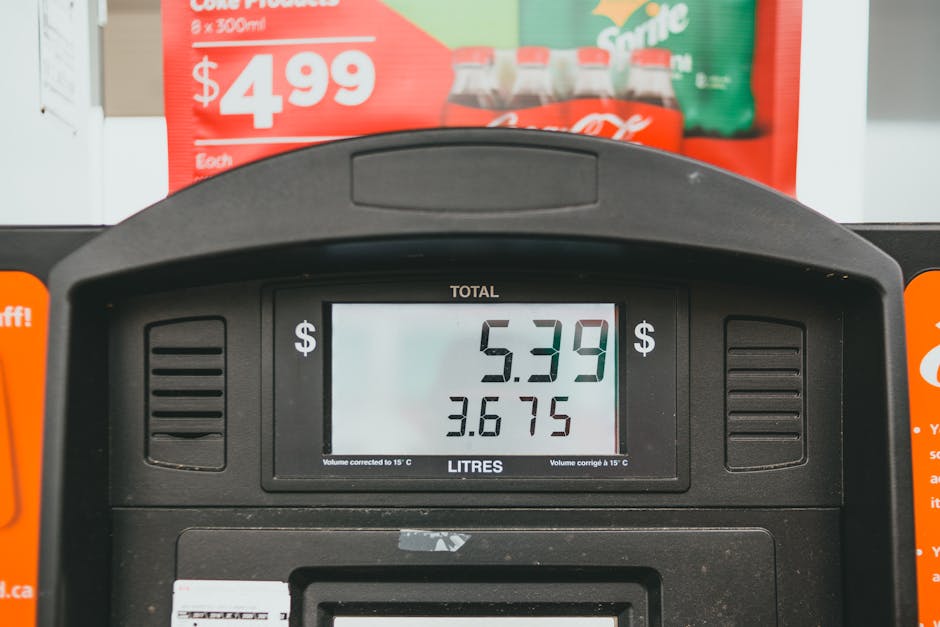
A peace agreement between the United States and Iran was announced on Sunday and is scheduled to be signed on Friday, aiming to end the conflict and reopen the Strait of Hormuz. Despite the diplomatic breakthrough, experts warn that Canadian gas prices will not immediately return to pre-war levels due to significant physical and economic damage in the region. As of publication, the national average for regular gasoline in Canada sits just below $1.66 a litre, a sharp increase from $1.35 one year ago and $1.90 a month ago. While consumers can expect a drop of roughly 10 to 15 cents per litre in the coming days, full market normalization may take months or even extend into 2027. The reopening of the Strait of Hormuz is critical, but the condition of oil facilities and the movement of ships remain major uncertainties.
Why It Matters
The peace deal offers a pathway to stabilize global energy supplies, but the transition will be gradual rather than immediate. Consumers are adjusting to a "new normal" of elevated prices because the bottleneck in the Persian Gulf and damaged infrastructure cannot be fixed overnight. Even if the strait opens fully, the physical reality of rebuilding and resuming flow means pump prices will likely remain higher than pre-war levels for the foreseeable future. This delay impacts household budgets and inflation expectations as the region works to restore normal energy market operations.
Local Vancouver / Burnaby Context
In Burnaby and across Metro Vancouver, drivers have already felt the impact of the conflict, with some consumers paying over $2 per litre at local gas stations during the peak of the crisis. The recent drop in the national average to just below $1.66 reflects early market adjustments, but the full relief promised by the peace deal is still ahead. Local drivers should anticipate a gradual decline of 10 to 15 cents per litre in the immediate term, rather than a sudden return to the $1.35 levels seen a year ago. The economic damage in the Persian Gulf means that supply chain recovery will dictate local pump prices more than the diplomatic announcement itself.
Market Impact
Crude oil prices have reacted to the news, with West Texas Intermediate oil priced at about US$80 a barrel, down from a recent peak of $113 during the conflict. The target price for oil to return to pre-war stability is around $60 a barrel, a level that may take three to four months to reach according to some experts. This gradual decline in wholesale costs will slowly trickle down to consumer gas prices, but the lag time means that immediate relief will be modest. The market is pricing in the eventual reopening of the Strait of Hormuz, but liquidity and flow remain constrained by physical damage.
Investor / Buyer Takeaway
- Expect gas prices to drop roughly 10 to 15 cents per litre in the next few weeks, but do not anticipate a return to pre-war levels soon.
- Monitor the actual movement of ships through the Strait of Hormuz, as this is the primary indicator of whether supply will normalize.
- Be aware that full market normalization may take until 2027, meaning elevated energy costs could persist for the medium term.
- Watch for uneven adjustments in energy markets, as rebuilding efforts will likely cause volatility in the short term.
- Understand that the peace deal is a necessary step, but physical infrastructure damage is the main barrier to lower prices.
Builder / Developer Perspective
For the construction and development sector, energy costs are a significant component of operational and logistics expenses. While the peace deal may eventually lower fuel costs for equipment and transportation, the immediate impact is limited. The prolonged period of elevated prices and supply uncertainty means that budgeting for project timelines and material transport should account for continued high energy costs. The gradual nature of the market recovery suggests that developers should not expect immediate cost relief from this diplomatic event alone.
Risk Factors
- Physical damage to oil facilities in the Persian Gulf may delay the full reopening of the Strait of Hormuz.
- Geopolitical issues could further complicate the normalization of energy markets beyond the current timeline.
- The condition of shipping infrastructure may prevent oil from flowing freely even if the strait is technically open.
- Market volatility may persist as global supply chains adjust to the post-conflict reality.
- Consumer expectations of immediate price drops may lead to frustration if the recovery process is slower than anticipated.
BurnabyHouse Insight
The peace deal is a political milestone, but the energy market operates on physical realities. The bottleneck in the Persian Gulf and the damage to infrastructure mean that the "new normal" of higher gas prices is here to stay for the near term. For Burnaby residents, the immediate 10 to 15 cent drop is a relief, but the journey back to $1.35 per litre is a marathon, not a sprint. The key indicator to watch is not the signing of the agreement, but the actual flow of ships through the Strait of Hormuz. Until that physical flow is restored, pump prices will remain tethered to the lingering effects of the conflict.
Community
Questions, Answers & Comments
Ask a question, add context, or leave a comment. Public posts appear after review.
No public questions or comments yet. Be the first to ask.