Metro Vancouver Tree Canopy Loss Threatened by Water Restrictions
Key Takeaways
- What happened
- Metro Vancouver is facing a critical threat to its urban forest as tough Stage 3 water restrictions, which ban lawn watering and limit tree irrigation, jeopardize the survival of the region's trees.
- Location
- Global markets / U.S. (indirect for Metro Vancouver)
- Key points
-
- The loss of tree canopy in Metro Vancouver has direct implications for urban heat mitigation,…
- Metro Vancouver lost one per cent of its tree canopy between 2014 and 2020 according to a…
- WHO: Douglas Todd is a columnist for The Vancouver Sun who writes about various social issues…
- Local impact
- In Metro Vancouver, the urban forest is a critical component of the regional planning toolkit. The region activates Stage 1 water use restrictions annually from May 1 to October 15, but the current Stage 3 restrictions represent a more severe escalation due to dry conditions. For Metro Vancouver buyers, sellers, developers and investors, watch financing cost, transaction pace, supply mix and policy expectations.
- Who should watch
- ['Buyers should consider the long-term viability of tree canopies in neighborhoods, as areas with healthy, mature trees often retain value better.', 'Developers and investors must account for the high mortality rate of young trees in Metro…


What Happened
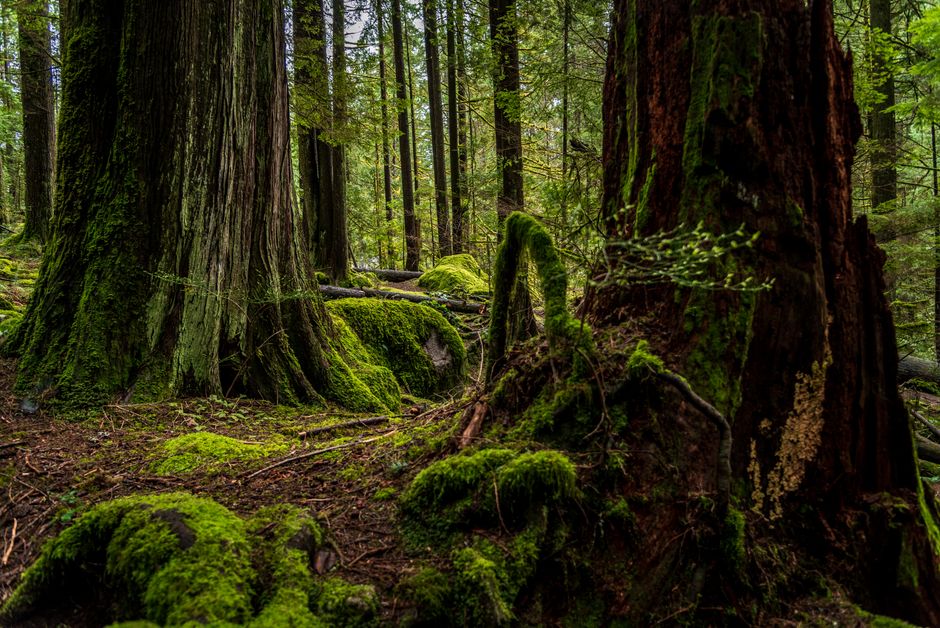
Metro Vancouver is facing a critical threat to its urban forest as tough Stage 3 water restrictions, which ban lawn watering and limit tree irrigation, jeopardize the survival of the region's trees. According to a regional district study, the area lost one per cent of its tree canopy between 2014 and 2020, a loss that would require planting enough trees to cover 19 square kilometres to restore. The average lifespan of a Metro Vancouver tree is less than eight years, with many young trees dying before reaching maturity primarily due to insufficient watering.
Horticulturalist Minter describes the region's relatively few older trees as rare and precious 'gold,' emphasizing the high stakes of the current drought conditions. While citizens occasionally intervene to stop older trees from being cut down, the systemic issue of young trees failing to survive remains unresolved. The region has set a water-use target of less than 1.4 billion litres per day for the summer, but the conflict between conservation goals and tree health persists.
Horticulturalists are urging politicians to clearly communicate that trees require deep watering even during strict restrictions to ensure their survival. With about 31 per cent of Metro Vancouver's landscape currently under a tree canopy, the continued danger to these assets is significant. The article highlights that while many measures can preserve water, protecting the trees requires specific, nuanced watering protocols that are often overlooked during broad restrictions.
Why It Matters
The loss of tree canopy in Metro Vancouver has direct implications for urban heat mitigation, stormwater management, and the overall livability of the region. Trees that do not survive to maturity fail to provide the long-term environmental benefits they are planted for, effectively wasting resources and failing to offset the region's carbon footprint. The one per cent loss between 2014 and 2020 represents a significant degradation of the urban forest, which is essential for cooling neighborhoods and improving air quality.
Furthermore, the struggle to balance water conservation with tree health highlights a broader policy challenge in managing urban infrastructure during climate extremes. If young trees continue to die young, the region will face a 'canopy gap' where older trees are lost faster than new ones can mature, leading to a net decline in green cover. This decline can exacerbate urban heat island effects, making neighborhoods hotter and less comfortable for residents.
Local Vancouver / Burnaby Context
In Metro Vancouver, the urban forest is a critical component of the regional planning toolkit. The region activates Stage 1 water use restrictions annually from May 1 to October 15, but the current Stage 3 restrictions represent a more severe escalation due to dry conditions. The loss of tree canopy is not just an environmental concern but a civic one, as trees are often the most visible and valued public infrastructure in neighborhoods.
The challenge of tree survival is particularly acute in newer developments where soil compaction and limited root space already stress young trees. Without the ability to provide deep watering during the dry summer months, these trees are highly vulnerable. The region's tree regulations toolkit aims to address these issues, but enforcement and education remain difficult during periods of high public anxiety about water use.
Local context also includes the role of community advocacy. While citizens sometimes rise up to save specific older trees, the systemic issue of young tree mortality requires a more widespread educational effort. The horticultural community's push for clearer guidelines on tree watering during restrictions is a key local dynamic, as it bridges the gap between environmental conservation and urban forestry maintenance.
Market Impact
For real estate and development, the health of the urban forest influences property values and neighborhood desirability. Areas with robust tree canopies often command a premium, and the loss of these trees can negatively impact the aesthetic and environmental quality of developments. Developers must navigate complex tree protection bylaws and ensure that new plantings are viable, which may require innovative irrigation solutions that comply with water restrictions.
The threat to tree survival also impacts the cost of maintenance for strata corporations and municipalities. Replacing dead trees is expensive, and the loss of canopy can lead to higher cooling costs for buildings and increased stormwater runoff management needs. The interplay between water restrictions and tree health is a subtle but significant factor in the long-term sustainability of urban neighborhoods.
Investor / Buyer Takeaway
- Buyers should consider the long-term viability of tree canopies in neighborhoods, as areas with healthy, mature trees often retain value better.
- Developers and investors must account for the high mortality rate of young trees in Metro Vancouver, factoring in the cost of specialized watering and maintenance.
- Homeowners should be aware of local water restrictions and tree care guidelines to protect their property's green assets and avoid fines.
- The loss of tree canopy can lead to increased urban heat, potentially affecting comfort and energy costs in neighborhoods with sparse green cover.
- Community advocacy plays a role in tree preservation, so buyers in areas with active neighborhood groups may find stronger support for green infrastructure.
Builder / Developer Perspective
Builders and developers in Metro Vancouver face the challenge of ensuring that new tree plantings survive the critical first few years. With the average lifespan of a tree being less than eight years, many young trees fail to reach maturity due to lack of watering. This requires developers to implement robust irrigation systems that can operate within the constraints of Stage 3 water restrictions.
The cost of tree protection and replacement is a significant factor in development feasibility. Developers must navigate the region's tree regulations toolkit, which may require them to plant more trees than initially planned to offset losses. The difficulty in maintaining tree health during droughts adds a layer of risk to projects that rely on green space as a selling point.
Risk Factors
- Policy conflict between strict water conservation measures and the need to water trees for survival.
- High mortality rate of young trees leading to a net loss of canopy over time.
- Increased costs for developers and homeowners to maintain tree health under restrictions.
- Potential decline in neighborhood desirability and property values due to loss of green cover.
- Regulatory challenges in enforcing tree protection bylaws during periods of public water anxiety.
BurnabyHouse Insight
The struggle to keep Metro Vancouver's trees alive under water restrictions is a microcosm of the broader urban sustainability challenge. As the region grows, the pressure on resources like water intensifies, but the value of the urban forest remains constant. The key takeaway is that tree health cannot be an afterthought in urban planning; it requires proactive, nuanced management that balances conservation with preservation. For local readers, this means paying attention to how tree care is integrated into development projects and community planning, as the loss of canopy is a slow-motion crisis that only becomes visible when the trees are gone.
Community
Questions, Answers & Comments
Ask a question, add context, or leave a comment. Public posts appear after review.
No public questions or comments yet. Be the first to ask.