Cuba Approves 176 Market-Liberalization Measures Amid U.S. Pressure
Key Takeaways
- What happened
- Cuba's leadership has approved a comprehensive package of 176 market-liberalization measures spanning 23 core areas, aiming to rescue an economy severely constrained by U.S.. sanctions.
- Location
- Cuba
- Key points
-
- This package represents the most significant structural shift in Cuba's economic model in…
- The Cuban government aimed to reduce the fiscal deficit through increased taxes and slashing…
- The Cuban government launched a renegotiation process to swap national debt for domestic assets.
- Local impact
- Macro data and market sentiment typically feed into rates, energy prices and financing expectations first, then into Canadian mortgage rates, development financing and Metro Vancouver housing supply, demand and pricing expectations.
- Who should watch
- - Monitor the implementation of the new legal frameworks for foreign investment, particularly regarding property rights and profit repatriation, before committing capital.
Generating audio…



What Happened
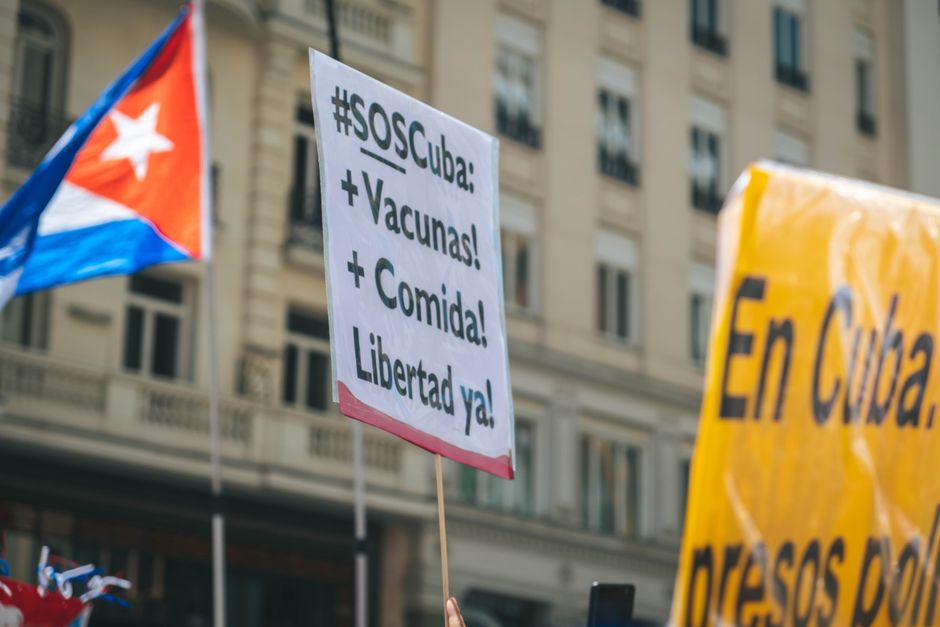
Cuba's leadership has approved a comprehensive package of 176 market-liberalization measures spanning 23 core areas, aiming to rescue an economy severely constrained by U.S. sanctions. The reforms include eliminating most price controls, which officials acknowledged failed to manage inflation and distorted the market, while establishing uniform legal rules for state, private, and foreign enterprises. A significant shift involves allowing Cuban nationals living abroad, including those in the United States, to invest directly in island companies and participate in the economy on equal footing with foreign investors. The government also authorized direct foreign investment in the private sector with clear guidelines on property ownership and profit repatriation, while granting farmers access to foreign currency to import raw materials without state intermediaries. Additionally, the administration is merging state and government institutions to eliminate duplicate functions and has removed taxes and tariffs on solar energy technology to encourage renewable infrastructure. These moves are part of a broader renegotiation process to swap national debt for domestic assets and reduce the fiscal deficit through increased taxes and reduced expenditures. U.S. officials, including Secretary of State Marco Rubio, continue to demand political reforms and a change in leadership, stating that these economic measures are insufficient to resolve Cuba's crisis.
Why It Matters
This package represents the most significant structural shift in Cuba's economic model in decades, moving away from strict state control toward a mixed economy that integrates private and foreign capital. By allowing diaspora investment and direct foreign ownership, Cuba is attempting to unlock capital and technology that have been inaccessible for years, potentially stabilizing the moribund economy. The elimination of price controls and the granting of autonomy to municipalities and state enterprises signal a recognition that central planning has failed to control inflation or supply chains. For international observers, these reforms indicate that economic survival is forcing political pragmatism, even as the U.S. maintains pressure for political change. The success of these measures depends heavily on the implementation of clear legal frameworks for dispute resolution and profit repatriation, which are critical for attracting sustainable investment.
Local Vancouver / Burnaby Context
While this story focuses on Cuba, the broader context of U.S. foreign policy under the Trump administration, particularly regarding Caribbean and Latin American nations, has implications for global trade dynamics and investment flows. For investors in Vancouver and Burnaby, shifts in U.S. sanctions regimes can affect risk appetites for emerging markets, including potential opportunities in tourism, energy, and agriculture. The emphasis on solar energy deregulation in Cuba mirrors global trends in renewable energy adoption, which may influence technology export markets. However, direct real estate or development impacts on Burnaby or Vancouver are minimal, as the reforms are specific to Cuba's internal economic structure. Local brokerage experience suggests that such geopolitical shifts often lead to cautious观望 (wait-and-see) approaches from institutional investors until the legal frameworks for foreign investment are fully tested and stabilized.
Market Impact
The immediate impact is a potential influx of diaspora capital and foreign direct investment into sectors like agriculture, energy, and tourism. The removal of price controls may lead to short-term volatility but could stabilize long-term supply chains by allowing market forces to determine prices. For the private sector, the new legal rules on property ownership and dispute resolution reduce some of the historical risks associated with operating in Cuba. However, the U.S. stance that these measures are insufficient suggests that broader sanctions may remain in place, limiting the immediate impact of U.S. investors despite the allowance for Cuban nationals abroad to invest. The fiscal deficit reduction measures, including tax increases, may initially slow economic growth but aim to create a more sustainable macroeconomic environment.
Investor / Buyer Takeaway
- Monitor the implementation of the new legal frameworks for foreign investment, particularly regarding property rights and profit repatriation, before committing capital.
- Diaspora investment channels are now open, offering a lower-risk entry point for Cuban nationals and their families to participate in the island's recovery.
- Agriculture and renewable energy sectors are prioritized for deregulation, presenting opportunities for technology and equipment exporters.
- U.S. sanctions remain a significant hurdle; even with new measures, direct U.S. investment may still face regulatory barriers until political conditions change.
- Watch for further debt restructuring details, as the swap of national debt for domestic assets could affect the valuation of existing state-owned enterprises.
Builder / Developer Perspective
For builders and developers, the authorization of direct foreign investment and the removal of tariffs on solar energy technology create a more viable environment for infrastructure projects. The granting of autonomy to municipalities may streamline local permitting and approval processes, reducing bureaucratic delays. However, the need for clear dispute resolution mechanisms remains a critical factor for feasibility studies. The focus on agricultural recovery and renewable energy suggests that early opportunities will be in these sectors rather than large-scale residential real estate, which may lag until economic stability improves. Developers should assess the risks associated with the ongoing U.S. political pressure and the potential for policy reversals if political reforms are not met.
Risk Factors
- Political instability: U.S. demands for political reforms and leadership change could lead to renewed sanctions or policy shifts if Cuba does not comply.
- Implementation risk: The success of 176 measures depends on consistent enforcement and the establishment of functional legal institutions for dispute resolution.
- Economic volatility: Eliminating price controls may cause short-term inflation and social unrest if supply chains do not stabilize quickly.
- Sanctions complexity: Despite allowing diaspora investment, U.S. sanctions may still restrict financial transactions and technology transfers for many international entities.
- Debt restructuring uncertainty: The process of swapping national debt for domestic assets may create legal ambiguities for investors in state-linked projects.
BurnabyHouse Insight
Cuba's pivot to market liberalization is a pragmatic response to economic collapse, driven by the need to attract foreign capital and technology. For local readers in Burnaby and Vancouver, this highlights the resilience of emerging markets when faced with existential economic pressure. The focus on solar energy and agricultural autonomy aligns with global sustainability trends, offering niche opportunities for Canadian exporters. However, the U.S. stance that these measures are insufficient underscores the deep political roots of the economic crisis. Investors should approach with caution, prioritizing sectors with clear legal protections and monitoring the political landscape for signs of further U.S. pressure or Cuban concessions.
Community
Questions, Answers & Comments
Ask a question, add context, or leave a comment. Public posts appear after review.
No public questions or comments yet. Be the first to ask.