Hudbay Opens New Ingerbelle Expansion at Copper Mountain Mine, Extending Operations Beyond 2040
Key Takeaways
- What happened
- Hudbay Minerals has officially opened the New Ingerbelle expansion at its Copper Mountain mine in the Similkameen Valley of British Columbia, marking a significant milestone for the region's mining sector.
- Location
- The Copper Mountain mine is located in British Columbia, Canada, specifically in the Similkameen Valley.
- Key points
-
- The opening of the New Ingerbelle expansion is critical for the economic stability of the…
- Expansion aims to increase copper and gold production, extend mine life, and secure over 800…
- Project expected to generate more than C$11.5 billion in provincial GDP
- Local impact
- Interest-rate and bond-yield moves typically affect Canadian mortgage pricing and development financing first, then Metro Vancouver purchase timing, rental returns and presale resale expectations.
- Who should watch
- - Investors in Hudbay Minerals (TSX: HBM, NYSE: HBM) should monitor the project's execution timeline and cost controls, as the expansion's success is tied to efficient integration of the New Ingerbelle area.



What Happened
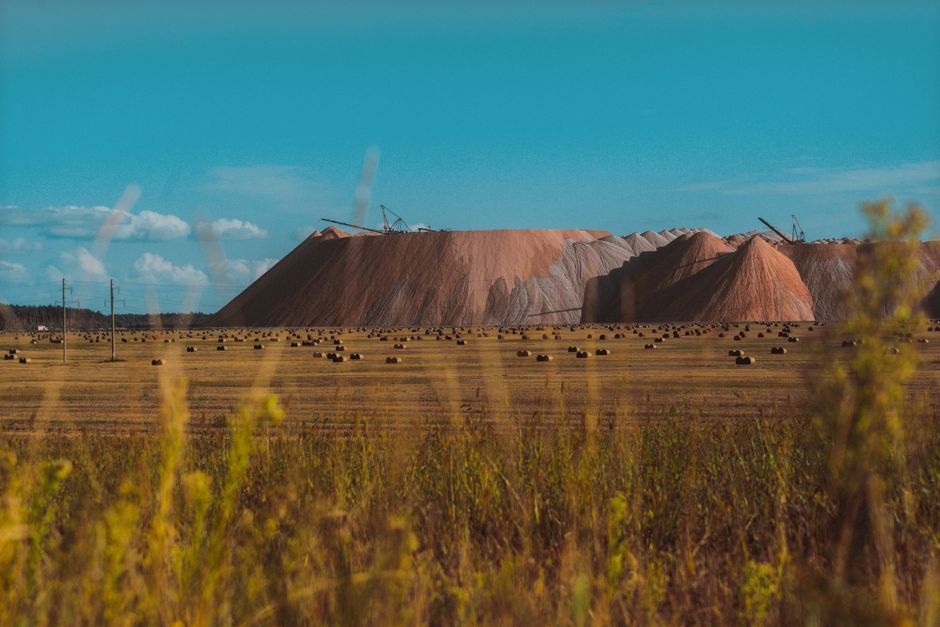
Hudbay Minerals has officially opened the New Ingerbelle expansion at its Copper Mountain mine in the Similkameen Valley of British Columbia, marking a significant milestone for the region's mining sector. The project, which involves pushing back the existing Ingerbelle pit walls to access higher-grade gold mineralization, was launched with government officials and community representatives present. This expansion is supported by essential permit amendments obtained through the BC Major Mines Office’s coordinated authorization process, adjusting permits under the Mines Act and Environmental Management Act. Hudbay Minerals collaborated closely with the Upper Similkameen Indian Band and the Lower Similkameen Indian Band during the permitting stages, updating participation agreements to ensure transparency and strengthen local partnerships. The company emphasized that the project utilizes existing mill infrastructure and mining equipment, optimizing operational efficiency with a stripping ratio approximately three times lower than current mining areas. This strategic move is designed to extend the mine's operational life beyond 2040, securing over 800 full-time jobs and generating substantial economic value for the province. The expansion aims to increase copper and gold production, with projected yields of 750,000 tonnes of copper, 900,000 ounces of gold, and 5.5 million ounces of silver based on current reserves. Hudbay President and CEO Peter Kukielski highlighted the project's role in unlocking long-term value for stakeholders while extending partnerships with local communities. The New Ingerbelle project is expected to generate more than C$11.5 billion (US$8.4 billion) in provincial gross domestic product over its lifespan. This development consolidates Hudbay's position as a key player in the BC Interior, following its acquisition of Mitsubishi Materials Corporation's 25% interest in 2025 to own the mine 100%. The official opening signifies the transition from the permitting phase to active operational expansion, promising sustained economic stability for the Princeton area. The project's success relies on the efficient integration of new mining areas with existing infrastructure, minimizing environmental impact while maximizing resource extraction. This expansion reflects a broader trend of mining companies in British Columbia focusing on extending mine lives through high-grade, efficient developments. The involvement of indigenous bands in the process underscores the growing importance of community engagement in major resource projects. The New Ingerbelle expansion represents a transformative development for the Copper Mountain mine, offering a pathway to continued growth in a challenging economic environment. The project's timeline and output projections provide a clear roadmap for future production and economic contribution. The official opening ceremony highlighted the collaborative effort between the company, government, and local communities to achieve this goal. The expansion is expected to have a lasting impact on the local economy and employment landscape in the Similkameen Valley.
Why It Matters
The opening of the New Ingerbelle expansion is critical for the economic stability of the Similkameen Valley and British Columbia's broader mining sector. By extending the mine's life beyond 2040, the project secures over 800 full-time jobs, providing long-term employment stability in a region where mining is a primary economic driver. The projected C$11.5 billion contribution to provincial GDP highlights the significant fiscal impact this expansion will have on local and provincial budgets, supporting public services and infrastructure development. For investors and the industry, the expansion demonstrates the viability of high-grade, efficient mining operations in BC, even as regulatory and environmental standards become more stringent. The successful navigation of the Mines Act and Environmental Management Act permits through a coordinated authorization process serves as a model for future resource projects in the province. The updated participation agreements with the Upper and Lower Similkameen Indian Bands illustrate the evolving landscape of resource development, where community partnership is essential for project approval and social license to operate. This expansion also reinforces British Columbia's position as a global leader in copper and gold production, attracting further investment and talent to the sector. The focus on operational efficiency, with a stripping ratio three times lower than current areas, suggests a more sustainable and profitable approach to mining, which can help mitigate some of the financial risks associated with fluctuating commodity prices. The project's long-term outlook provides certainty for workers, suppliers, and local businesses, allowing for better planning and investment in the community. Furthermore, the expansion's emphasis on utilizing existing infrastructure reduces the need for new capital expenditure on facilities, potentially lowering the overall environmental footprint of the operation. This development is a testament to the potential for growth in BC's mining sector when aligned with community interests and regulatory frameworks. The success of the New Ingerbelle project could encourage similar expansions at other mines in the province, contributing to a robust mining industry in the coming decades.
Local Vancouver / Burnaby Context
While the Copper Mountain mine is located in the BC Interior, its impact resonates throughout British Columbia's resource sector, including the Greater Vancouver area where many mining companies are headquartered. British Columbia has been actively promoting its mining sector as a key pillar of the provincial economy, with policies aimed at streamlining permitting processes for strategic mineral projects. The coordinated authorization process used for the New Ingerbelle expansion reflects the province's efforts to balance economic growth with environmental stewardship and Indigenous rights. In the Greater Vancouver region, the mining industry is a significant employer and investor, with many firms listed on the Toronto Stock Exchange and NYSE having their operational headquarters or major offices in the city. The economic benefits of projects like Copper Mountain extend to Vancouver through tax revenues, investment flows, and the services provided by local firms in engineering, finance, and legal sectors. The province's focus on critical minerals, including copper and gold, aligns with global demand for materials essential for the energy transition, further boosting the sector's profile in urban centers like Vancouver. Community engagement and reconciliation are central to BC's resource policy, with many projects requiring meaningful consultation and partnership with Indigenous communities, as seen with the Similkameen Indian Bands. This approach is increasingly important for maintaining social license to operate, particularly in a region with a strong history of environmental advocacy and Indigenous land claims. The success of such projects can influence public perception of mining in urban areas, potentially shaping future policy and investment decisions. Additionally, the economic stability provided by long-term mining operations supports local housing and retail markets in both rural and urban centers across the province. The involvement of major corporations like Hudbay Minerals in these developments underscores the interconnectedness of BC's resource economy and its urban financial hubs. The province's regulatory framework, including the Mines Act and Environmental Management Act, continues to evolve to address contemporary challenges, ensuring that resource development remains sustainable and beneficial for all stakeholders. The New Ingerbelle expansion serves as a case study for how modern mining projects can navigate these complexities to achieve success.
Market Impact
The New Ingerbelle expansion will likely stabilize copper and gold supply from the Copper Mountain mine, contributing to global market liquidity for these metals. For the local economy, the extension of operations beyond 2040 ensures a steady stream of high-skilled jobs and related service contracts, supporting local businesses in the Similkameen Valley. The projected C$11.5 billion GDP impact will boost provincial revenues, potentially leading to increased infrastructure spending and public services in British Columbia. For investors, the expansion signals Hudbay Minerals' confidence in long-term metal prices and its ability to execute complex projects efficiently. The use of existing infrastructure may lead to lower capital intensity per unit of production, improving profit margins and shareholder returns. The project's focus on high-grade ore could also provide a hedge against rising extraction costs in other parts of the world. The successful permitting process may encourage other mining companies to pursue similar expansions, increasing overall sector activity and investment in BC. The economic stability provided by the mine can also support local real estate and housing markets in Princeton and surrounding areas, as workers seek long-term housing solutions. The expansion's emphasis on environmental and community standards may set a benchmark for future projects, influencing investor sentiment towards responsible mining practices. The consolidation of ownership by Hudbay Minerals may also lead to more streamlined decision-making and faster project execution in the future. The project's long-term nature provides a degree of predictability for commodity markets, reducing volatility associated with short-term supply disruptions. The economic benefits are likely to spill over into the broader BC economy, supporting tourism, retail, and service sectors in the region.
Investor / Buyer Takeaway
- Investors in Hudbay Minerals (TSX: HBM, NYSE: HBM) should monitor the project's execution timeline and cost controls, as the expansion's success is tied to efficient integration of the New Ingerbelle area.
- Buyers of copper and gold futures may see a modest supply boost from the expanded Copper Mountain output, though global market dynamics will remain the primary price driver.
- Local businesses in the Similkameen Valley should anticipate sustained demand for services and supplies, given the mine's long-term operational commitment beyond 2040.
- Investors should watch for updates on the updated participation agreements with the Similkameen Indian Bands, as community relations remain a key risk factor for resource projects.
- Potential buyers of real estate in Princeton should consider the long-term economic stability provided by the mine, which supports housing demand and local economic resilience.
Builder / Developer Perspective
For builders and developers in the Similkameen Valley, the New Ingerbelle expansion signals long-term economic stability, which can support housing demand and commercial real estate investment. The securement of over 800 full-time jobs beyond 2040 provides a reliable tenant base for residential and commercial properties. The mine's use of existing infrastructure suggests that new development will be focused on supporting the workforce rather than major industrial expansion, potentially limiting large-scale industrial zoning changes. Developers may see opportunities in providing housing and services for the mine's employees, particularly if the company continues to attract skilled workers from outside the region. The emphasis on community partnership and environmental standards may also influence local development regulations, encouraging sustainable building practices. The economic impact of the C$11.5 billion GDP contribution could lead to improved local infrastructure, benefiting both the mine and the broader community. Builders should monitor any changes in local zoning or housing policies that may arise from the increased economic activity. The long-term nature of the project provides certainty for developers planning new projects, reducing the risk of sudden economic downturns in the area. The collaboration between Hudbay and local communities may also set a precedent for future development projects, emphasizing the importance of stakeholder engagement. The expansion's focus on efficiency and high-grade ore may also influence the types of services and equipment needed in the region, creating niche opportunities for local businesses.
Risk Factors
- Regulatory changes in British Columbia could impact the permitting process for future expansions or modifications to the New Ingerbelle project.
- Fluctuations in global copper and gold prices could affect the project's profitability and Hudbay's ability to meet financial projections.
- Community relations with the Upper and Lower Similkameen Indian Bands remain critical; any breakdown in partnership could delay operations or increase costs.
- Environmental incidents or failures in the mine's operations could lead to significant reputational damage and regulatory scrutiny.
- Labor shortages or strikes in the mining sector could disrupt production and increase operational costs for the expansion.
BurnabyHouse Insight
The New Ingerbelle expansion at Copper Mountain represents a strategic pivot for Hudbay Minerals towards high-grade, efficient mining, a model that could influence future resource development in British Columbia. By leveraging existing infrastructure and focusing on operational efficiency, the project minimizes the capital intensity typically associated with mine expansions, potentially offering better returns for shareholders. The emphasis on community partnership, particularly with the Similkameen Indian Bands, highlights the evolving landscape of resource development in BC, where social license is as crucial as regulatory approval. For the broader economy, the project's long-term commitment beyond 2040 provides a rare example of sustained industrial growth in a region often subject to boom-and-bust cycles. This stability can have ripple effects on local housing, retail, and service sectors, offering a counter-narrative to the typical challenges faced by resource-dependent communities. The successful navigation of the Mines Act and Environmental Management Act permits through a coordinated process also serves as a potential blueprint for other projects seeking to balance economic growth with environmental and community concerns. Investors and local stakeholders alike should view this expansion not just as a corporate milestone, but as a significant indicator of the future direction of British Columbia's mining sector.
Community
Questions, Answers & Comments
Ask a question, add context, or leave a comment. Public posts appear after review.
No public questions or comments yet. Be the first to ask.