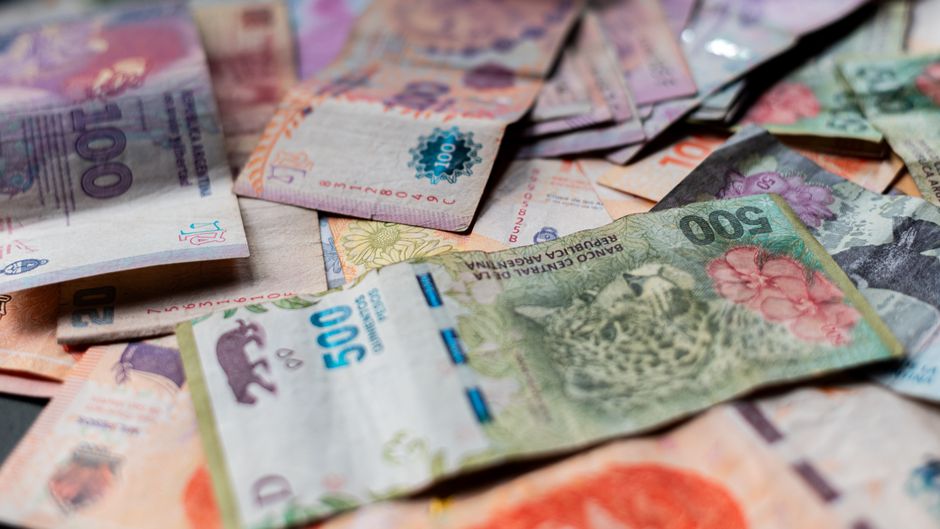
Argentina's inflation hits eight-month low, but public discontent rises
Start with reported facts, then read the Burnaby, Vancouver and BC real estate implications. BurnabyHouse separates facts, local context, buyer/investor takeaways and risk factors so commentary does not become reported fact.
What Happened
Argentina's consumer prices rose 2.6% in April, marking the lowest monthly inflation rate since September and ending a 10-month streak of accelerating prices. This deceleration follows a 3.4% increase in March, which was heavily impacted by an energy shock related to the war in the Middle East. During that March surge, fuel prices jumped 9%, domestic airfare rose 24%, and intercity transportation costs increased by 22%. Annual inflation has since fallen to 32.6%, a significant drop from the 211% annual rate recorded when President Javier Milei took office in December 2023. Economy Minister Luis Caputo stated that inflation should slow significantly beginning in April as the effects of the energy shock pass. Milei attributed the previous month's spike to higher education costs, rising meat and fuel prices, and international uncertainty. The government also highlighted that its investment incentive regime has attracted 35 projects totaling $85 billion. Additionally, the International Monetary Fund approved the second review of its agreement with Argentina, clearing the way for a $1 billion disbursement. Despite these macroeconomic improvements, polling shows 56% disapproval and 35% approval for Milei according to Synopsis Consultores. Another poll by CB Consultora Opinión Pública showed 54.5% rejection and 43.9% support for the president. Public discontent is rising due to stagnant wages and the erosion of purchasing power, which economist Hernán Letcher notes is driving negative sentiment. Microeconomic results remain negative even as macro signals improve. Scandals involving Milei and his cabinet, including allegations against Manuel Adorni, are further undermining support.
Why It Matters
The decline in inflation to an eight-month low represents a critical test for President Javier Milei's fiscal conservatism and his campaign promise to cut prices. While the macroeconomic indicators show a dramatic turnaround from the 25.5% monthly inflation rate at the start of his term, the benefits have not yet reached the average citizen. The gap between official economic data and household reality is widening, creating a fragile political environment. The IMF's approval of the second review and the subsequent $1 billion disbursement validates the government's reform path, providing essential liquidity and international credibility. However, the persistence of public discontent suggests that monetary stabilization alone is insufficient to maintain political capital. The government must now translate these macro wins into tangible improvements in purchasing power to reverse the rising disapproval ratings.
Local Vancouver / Burnaby Context
This case study in Argentina offers a stark contrast to the housing and economic dynamics in Burnaby and Greater Vancouver. While Burnaby residents are currently navigating a complex real estate market influenced by mortgage rates, zoning changes, and development pressures, the Argentine experience highlights the dangers of macroeconomic stability failing to translate into microeconomic relief. In Burnaby, the 'cost of living' crisis is often driven by housing supply constraints and construction costs, whereas in Argentina, it is driven by currency devaluation and imported inflation. The Argentine government's focus on fiscal balance and attracting foreign investment through incentives mirrors some of the strategies local governments use to spur development. However, the political backlash in Buenos Aires serves as a warning for any administration that prioritizes high-level economic indicators over immediate household affordability. For BurnabyHouse readers, the key takeaway is that economic policy must be measured by its impact on the ground, not just by headline inflation or GDP figures. The erosion of purchasing power in Argentina, despite falling inflation, is a phenomenon that can occur in any economy if wages do not keep pace with the cost of essential goods and services.
Market Impact
For investors and observers, the $1 billion IMF disbursement and the $85 billion in attracted investment projects signal a potential stabilization of the Argentine asset class. However, the high annual inflation rate of 32.6% means that real returns are still under pressure. The deceleration in inflation may encourage some foreign capital to re-enter the market, particularly in sectors favored by the new investment incentive regime. For the local economy, the immediate impact is a reduction in the cost of imported goods and energy, which should help ease some pressure on consumers. However, the stagnant wages mean that demand remains weak. The political risk remains high, as public disapproval ratings above 50% can lead to policy volatility. Investors should monitor the implementation of the labor flexibility and mining investment legislation highlighted by the IMF, as these are key drivers of future growth.
Investor / Buyer Takeaway
- Monitor the implementation of the 35 new investment projects to gauge real economic recovery.
- Be cautious of political risk, as high disapproval ratings can lead to sudden policy shifts.
- Watch for wage growth data to see if purchasing power is actually recovering.
- Consider the $1 billion IMF disbursement as a floor for currency stability in the short term.
- Distinguish between macroeconomic improvements and microeconomic reality when assessing opportunities.
Builder / Developer Perspective
For builders and developers, the Argentine experience underscores the importance of regulatory stability and investment incentives. The government's success in attracting $85 billion in projects through its incentive regime suggests that clear rules can draw capital even in high-inflation environments. However, the political backlash highlights the need for transparent governance to avoid scandals that undermine support. For local developers in Burnaby, the lesson is that policy changes must be communicated effectively to the public to maintain social license. The IMF's focus on labor flexibility and mining investment indicates where the government is prioritizing growth, which could offer opportunities for foreign firms. However, the high cost of capital and construction in Argentina remains a barrier. Developers should focus on sectors with strong government support and clear regulatory frameworks to mitigate risk.
Risk Factors
- Political instability due to rising public disapproval and cabinet scandals.
- Continued erosion of purchasing power despite falling inflation.
- Global economic uncertainty and potential energy shocks from the Middle East.
- Implementation risks of labor flexibility and mining investment legislation.
- Dependence on IMF disbursements for fiscal stability.
BurnabyHouse Insight
The Argentine situation is a classic case of 'macro wins, micro losses.' While the government has successfully tamed hyperinflation and secured international financing, the political cost is high because the average citizen has not felt the benefits. In Burnaby, we see a different dynamic where housing policy is the primary driver of cost of living. The key lesson for local readers is that economic indicators are lagging measures. By the time inflation hits an eight-month low, the damage to household finances may already be done. Policymakers must focus on leading indicators like wage growth and housing affordability to prevent political backlash. The Argentine case also shows that international validation, such as IMF approval, does not automatically translate to domestic support. Trust is built on the ground, not in boardrooms. For investors, this means looking beyond headline numbers to assess the true health of an economy.
Community
Questions, Answers & Comments
Ask a question, add context, or leave a comment. Public posts appear after review.
No public questions or comments yet. Be the first to ask.
Gary Gao | Principal Real Estate Advisor · Licensed Home Builder · Former Municipal Insider
Decoding Greater Vancouver Real Estate: Leveraging Zoning, Driven by Data
Q: “Why should Greater Vancouver buyers trust a multi-discipline advisor?”
A: “Having lived in Canada for 26 years, I am not just a witness to Metro Vancouver's urban evolution, but a decoder of its underlying wealth logic .”