Wind Groups Fight Pentagon Project Freeze With Billions at Risk
Key Takeaways
- What happened
- Nine renewable energy trade associations have filed a lawsuit against the US Department of Defense, alleging that the Pentagon’s refusal to complete mandatory airspace reviews has effectively halted all onshore wind development in the United States.
- Location
- Metro Vancouver
- Key points
-
- The lawsuit highlights a critical bottleneck in the US renewable energy supply chain, where…
- Renewable energy groups asked a federal judge to order the US Defense Department to lift its…
- The Defense Department has effectively stopped making determinations of wind projects to be…
- Local impact
- While this legal battle is centered in the United States, the implications for the broader North American energy market are significant. Burnaby and the Greater Vancouver area are increasingly connected to US supply chains for renewable energy components and investment. For Metro Vancouver buyers, sellers, developers and investors, watch financing cost, transaction pace, supply mix and policy expectations.
- Who should watch
- - Monitor the court proceedings in the US District Court for the District of Oregon for updates on the injunction request. - Assess the impact of the US wind freeze on Canadian renewable energy investments and supply chains.



What Happened
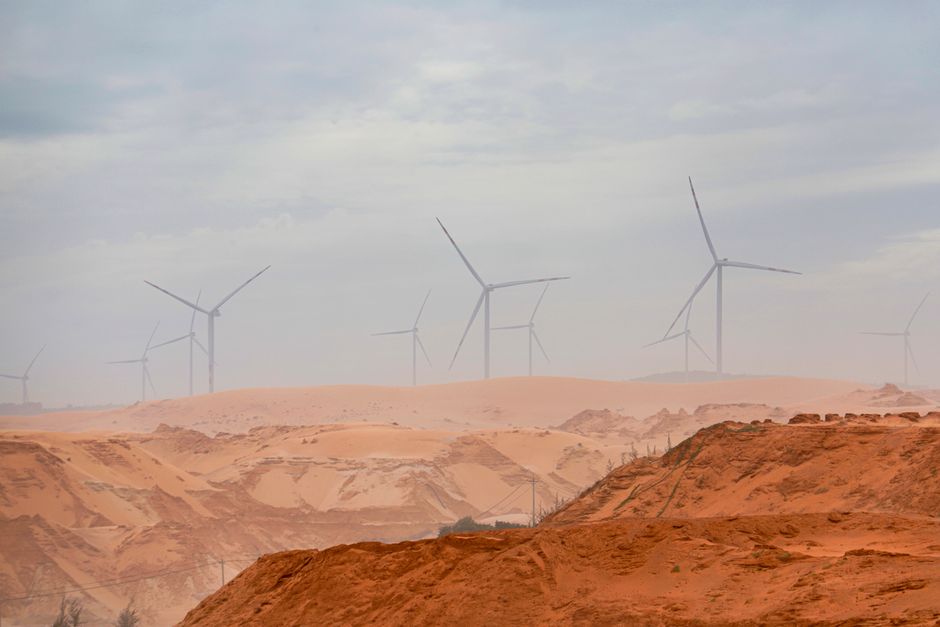
Nine renewable energy trade associations have filed a lawsuit against the US Department of Defense, alleging that the Pentagon’s refusal to complete mandatory airspace reviews has effectively halted all onshore wind development in the United States. The legal action, titled Renewable Northwest v. Hegseth (3:26-cv-01092), was filed in the US District Court for the District of Oregon in Portland. The plaintiffs are asking a federal judge to order the Defense Department to lift its freeze on project approvals and resume its mandatory national security reviews. The suit argues that the Defense Department has effectively stopped making determinations of wind projects to be sent to the Federal Aviation Administration. This administrative bottleneck has stalled more than 100 planned wind farms across 21 states indefinitely. The groups contend that the freeze violates federal law and threatens billions of dollars of investments in clean energy infrastructure. Further delays in the review process could jeopardize many of these projects, according to the lawsuit. The Federal Aviation Administration must issue its own determination before any wind projects can move forward with development. The plaintiffs are seeking an injunction to force the Defense Department to resume its routine review process immediately.
Why It Matters
The lawsuit highlights a critical bottleneck in the US renewable energy supply chain, where national security reviews have become a de facto veto on clean energy development. By halting the Defense Department's mandatory airspace assessments, the freeze prevents projects from reaching the Federal Aviation Administration, which is required to issue its own determination before construction can proceed. This administrative standstill is not just a regulatory delay but a financial threat, with billions of dollars in investments at risk. The indefinite stall of over 100 planned wind farms across 21 states demonstrates how a single agency's inaction can paralyze an entire industry. The groups argue that the freeze violates federal law, suggesting that the current approach is not just inefficient but potentially illegal. This legal challenge forces a reckoning on how national security protocols interact with energy transition goals. If the court rules in favor of the renewable groups, it could set a precedent for how mandatory reviews are handled in the future. Conversely, if the freeze is upheld, it could signal a long-term barrier to wind energy expansion in the United States.
Local Vancouver / Burnaby Context
While this legal battle is centered in the United States, the implications for the broader North American energy market are significant. Burnaby and the Greater Vancouver area are increasingly connected to US supply chains for renewable energy components and investment. A prolonged freeze on US wind development could reduce the demand for Canadian manufacturing and construction services that support these projects. Additionally, the regulatory uncertainty in the US may shift investment flows toward jurisdictions with more predictable approval processes, such as Canada. Local developers and investors in the Burnaby area should monitor how this legal outcome affects cross-border energy trade and investment patterns. The case also underscores the importance of navigating complex federal regulations in the renewable sector, a lesson relevant to local housing and energy projects in British Columbia. BurnabyHouse readers should note that while this is a US-specific legal issue, the ripple effects on regional energy markets and investment confidence are real.
Community
Questions, Answers & Comments
Ask a question, add context, or leave a comment. Public posts appear after review.
No public questions or comments yet. Be the first to ask.