Vancouver Council Approves Mixed-Use Redesignation for Former Molson Brewery Site
Key Takeaways
- What happened
- Vancouver City Council unanimously approved a redesignation of the former Molson Coors brewery site at the south end of the Burrard Street Bridge from "Industrial and Employment" to "Mixed Use High-Rise 2" in the city’s Official Development Plan (ODP).
- Location
- site context includes proximity to Senakw towers and Armoury District.
- Key points
-
- This approval marks a critical step in transforming one of Vancouver’s last remaining…
- City Council unanimously approved redesignating the eight-acre property from industrial and…
- If approved, amended Vancouver ODP to return to City Council for formal enactment in October…
- Local impact
- The former Molson Coors brewery site, located at the south end of the Burrard Street Bridge, has been a focal point for development discussions since Concord Pacific purchased the property in 2016 for $185 million. For Metro Vancouver buyers, sellers, developers and investors, watch financing cost, transaction pace, supply mix and policy expectations.
- Who should watch
- ['Monitor the rezoning application timeline, as no specific designs or permits have been submitted yet, and final density will be determined through that process.', 'Consider the potential for increased housing supply in the south Burrard…



What Happened
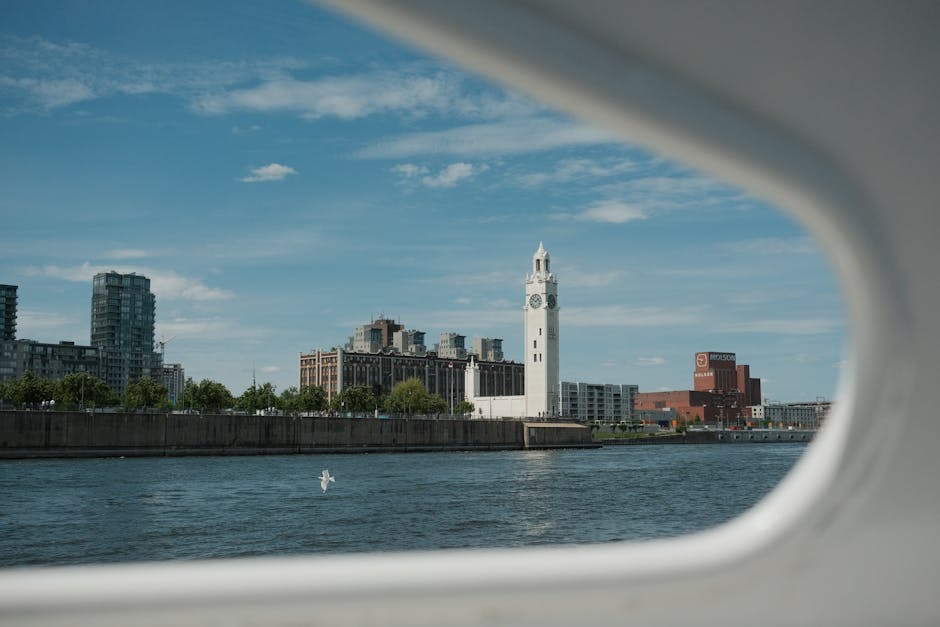
Vancouver City Council unanimously approved a redesignation of the former Molson Coors brewery site at the south end of the Burrard Street Bridge from "Industrial and Employment" to "Mixed Use High-Rise 2" in the city’s Official Development Plan (ODP). The decision, finalized in July 2026 following a public hearing in spring 2026, allows the eight-acre property to be redeveloped with buildings exceeding 26 storeys. Council also endorsed changing the site’s regional designation from Industrial to General Urban, a move that requires approval from the Metro Vancouver Regional District board. The regional board is expected to give first reading on July 24, 2026, with potential formal enactment by the city in October 2026 if approved. The site remains under existing industrial zoning until Concord Pacific submits a detailed rezoning application after the ODP enactment. No specific development designs have been proposed yet, and the final density and height will be determined through the future rezoning process. Federal Department of National Defence security concerns regarding adjacency to the Seaforth and Colonel Sherman Armouries will be examined during the rezoning stage. Potential housing targets include 20 per cent social housing and 10 per cent secured purpose-built rental, with 25 per cent of that rental component below market rates. Future redevelopment could support approximately 700 to 800 jobs, a significant increase from the former brewery’s peak of 200 to 250 jobs. The plan emphasizes a vehicle-light approach supported by a new TransLink bus station near the Burrard Street Bridge, though no funded streetcar network is currently advanced through this project. ABC city councillors Peter Meiszner and Sarah Kirby-Yung were among those involved in the regional support discussions.
Why It Matters
This approval marks a critical step in transforming one of Vancouver’s last remaining large-scale industrial sites into a high-density mixed-use neighbourhood. By changing the ODP designation, the city has cleared the way for Concord Pacific to pursue a major residential and employment project in the Armoury District. The shift from industrial to mixed-use high-rise designation directly impacts the city’s housing supply strategy, allowing for a significant increase in residential units, including social and below-market rental housing. The requirement for 20 per cent social housing and 10 per cent secured purpose-built rental sets a precedent for future industrial-to-residential conversions in the city. The project’s scale, potentially exceeding 26 storeys, will alter the skyline and density profile of the south Burrard area. The involvement of the Metro Vancouver Regional District highlights the inter-jurisdictional nature of major land-use changes, where regional approval is a necessary hurdle before local implementation. The security concerns raised by the Department of National Defence add a layer of complexity to the future development, potentially influencing building heights, layouts, or access points to ensure safety and operational integrity near the armouries. The emphasis on a vehicle-light approach and new transit infrastructure reflects the city’s broader goals of reducing car dependency in high-density corridors.
Local Vancouver / Burnaby Context
The former Molson Coors brewery site, located at the south end of the Burrard Street Bridge, has been a focal point for development discussions since Concord Pacific purchased the property in 2016 for $185 million. The site’s proximity to the Senakw First Nation-led project and the Armoury District places it in a rapidly evolving part of Vancouver’s False Creek waterfront area. The Senakw project, which includes towers up to 58 storeys, serves as a nearby precedent for large-scale, Indigenous-led development in the region. The city’s broader strategy to unlock industrial lands for housing is evident in motions to change zoning for similar areas, aiming to address the housing shortage. The Armoury District, adjacent to the site, is undergoing its own transformation, with the new site’s development potentially influencing traffic patterns, local amenities, and community dynamics. The city’s housing targets, as outlined by BC Housing, emphasize the need for diverse housing types, including social and rental housing, which aligns with the proposed targets for the Molson site. The lack of a funded streetcar network in this specific project contrasts with other areas where transit-oriented development is a key driver. The site’s history as a heavy industrial zone since 1953 adds to its significance as a symbol of Vancouver’s industrial heritage being repurposed for modern urban living. The upcoming rezoning process will be a critical test of the city’s ability to balance development density with community benefits, including affordable housing, childcare, and schools. The security concerns from the Department of National Defence are a unique factor for this site, requiring careful coordination between municipal planners and federal authorities. The potential for 700 to 800 jobs in the future development highlights the city’s intent to maintain some employment space within the mixed-use designation, a departure from purely residential conversions. The timeline for development, potentially extending into the 2030s, reflects the long lead times for large-scale projects in Vancouver. The involvement of Concord Pacific, a major developer in the city, ensures significant resources and expertise will be applied to the project, but also raises questions about the pace and nature of delivery. The site’s location near the Burrard Street Bridge makes it a key node for regional connectivity, influencing the design of the new bus station and vehicle-light infrastructure. The city’s approach to this site, balancing industrial heritage, housing needs, and security concerns, will be closely watched by other municipalities facing similar land-use challenges.
Market Impact
The approval of the Molson site’s redesignation signals continued demand for high-density housing in Vancouver’s core, particularly in areas with strong transit connectivity. The potential for 700 to 800 jobs in the future development could support local retail and service sectors, but the primary impact will be on the housing market. The inclusion of 20 per cent social housing and 10 per cent secured purpose-built rental will add to the city’s affordable housing stock, potentially easing pressure on the rental market in the surrounding area. The scale of the project, with buildings potentially exceeding 26 storeys, will increase the supply of condominiums, which could impact pricing and absorption rates in the south Burrard corridor. The site’s proximity to the Senakw project and the Armoury District means its development will be part of a larger cluster of high-density growth, influencing neighbourhood character and infrastructure demands. The lack of immediate rezoning means the market impact will be gradual, with construction likely not starting until the late 2020s or early 2030s. The vehicle-light approach and new bus station may enhance the site’s appeal to transit-oriented buyers, potentially commanding a premium. The security concerns from the Department of National Defence could introduce delays or design constraints, affecting the project’s timeline and feasibility. The project’s success will depend on Concord Pacific’s ability to navigate the rezoning process and secure necessary approvals, including from the regional district and federal authorities. The site’s transformation from industrial to mixed-use high-rise represents a significant shift in land value, potentially increasing property values in the immediate vicinity. The project’s emphasis on community benefits, such as childcare and schools, will be critical in gaining public support and ensuring long-term sustainability. The potential for below-market rental housing could provide options for middle-income households, contributing to the city’s affordability goals. The site’s location near the Burrard Street Bridge makes it a key node for regional connectivity, influencing the design of the new bus station and vehicle-light infrastructure. The city’s approach to this site, balancing industrial heritage, housing needs, and security concerns, will be closely watched by other municipalities facing similar land-use challenges.
Investor / Buyer Takeaway
Monitor the rezoning application timeline, as no specific designs or permits have been submitted yet, and final density will be determined through that process. - Consider the potential for increased housing supply in the south Burrard area, which may impact pricing and competition for existing properties in the Armoury District. - Watch for the outcome of the Metro Vancouver Regional District board’s decision on July 24, 2026, as regional approval is a critical step before local enactment. - Be aware of the security concerns from the Department of National Defence, which could introduce delays or design constraints affecting the project’s timeline. - Evaluate the potential for community benefits, such as childcare and schools, which may enhance the long-term livability and value of the neighbourhood.
Builder / Developer Perspective
Concord Pacific faces a complex rezoning process for the Molson site, requiring navigation of federal security concerns, regional district approval, and city council scrutiny. The shift from industrial to mixed-use high-rise designation allows for greater density, but the final height and density will be determined through the rezoning process, which may involve negotiations over community benefits. The site’s proximity to the Senakw project and the Armoury District presents both opportunities and challenges, including potential infrastructure demands and security coordination. The emphasis on a vehicle-light approach and new transit infrastructure will require careful integration with existing systems. The potential for 700 to 800 jobs in the future development highlights the city’s intent to maintain some employment space, which may influence the building’s layout and design. The project’s timeline, potentially extending into the 2030s, reflects the long lead times for large-scale projects in Vancouver. The involvement of the Department of National Defence adds a layer of complexity, requiring coordination to ensure safety and operational integrity. The site’s history as a heavy industrial zone since 1953 adds to its significance as a symbol of Vancouver’s industrial heritage being repurposed for modern urban living. The city’s approach to this site, balancing industrial heritage, housing needs, and security concerns, will be closely watched by other municipalities facing similar land-use challenges.
Risk Factors
Regional district approval is not guaranteed, and the board’s decision could alter or delay the project. - Federal Department of National Defence security concerns may introduce design constraints or delays during the rezoning process. - No specific development designs have been proposed, and the final density and height will be determined through the future rezoning process, which may face opposition. - The site remains under existing industrial zoning until Concord Pacific submits a detailed rezoning application after October 2026 enactment, creating uncertainty. - Concerns raised by opponents about affordable housing, childcare, schools, and industrial jobs could impact public support and the rezoning outcome.
BurnabyHouse Insight
The Molson site’s transformation is a bellwether for Vancouver’s industrial land conversion strategy, balancing housing needs with heritage and security. The city’s emphasis on social and rental housing targets sets a precedent for future projects, but the actual delivery will depend on Concord Pacific’s rezoning negotiations. The site’s proximity to the Senakw project and the Armoury District places it in a high-profile development corridor, where infrastructure and community benefits will be critical. The security concerns from the Department of National Defence are a unique factor, requiring careful coordination between municipal planners and federal authorities. The project’s timeline, potentially extending into the 2030s, reflects the long lead times for large-scale projects in Vancouver. The city’s approach to this site, balancing industrial heritage, housing needs, and security concerns, will be closely watched by other municipalities facing similar land-use challenges.
Community
Questions, Answers & Comments
Ask a question, add context, or leave a comment. Public posts appear after review.
No public questions or comments yet. Be the first to ask.