U.S. Declines to Renew USMCA, Opening Door for New Trade Negotiations with Canada
Key Takeaways
- What happened
- The Trump administration has decided not to renew the United States-Mexico-Canada Agreement (USMCA), also known as CUSMA in Canada, effectively ending the 16-year-old trilateral trade pact.
- Location
- Metro Vancouver
- Key points
-
- The non-renewal of USMCA/CUSMA fundamentally alters the trade relationship between Canada and…
- Local impact
- For Greater Vancouver and Burnaby, the implications of a lapsed USMCA are significant due to the region's heavy reliance on exports to the United States. Burnaby's industrial sectors, including logistics and technology, depend on smooth cross-border movement of goods and services. For Metro Vancouver buyers, sellers, developers and investors, watch financing cost, transaction pace, supply mix and policy expectations.
- Who should watch
- ['Monitor economic indicators closely, particularly employment data in export-dependent sectors, as these will signal the real impact of trade uncertainty on local incomes.', 'For buyers, consider that economic volatility may lead to more…



What Happened
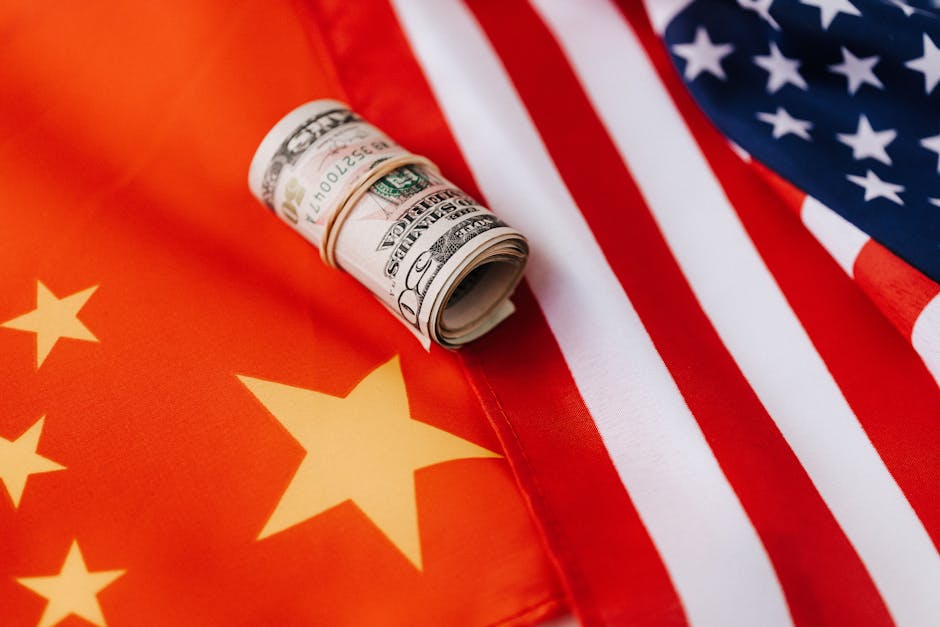
The Trump administration has decided not to renew the United States-Mexico-Canada Agreement (USMCA), also known as CUSMA in Canada, effectively ending the 16-year-old trilateral trade pact. The decision came as the agreement approached its first review deadline, with July 1 marking the formal deadline for renewal. By declining to extend the deal, the U.S. has opened the door for new negotiations with both Canada and Mexico. President Donald Trump, who previously lauded the trade deal during his first term, has signaled a desire to walk away from the agreement he negotiated. This move introduces significant uncertainty for Canadian businesses and leaders who have relied on the stable trade framework provided by the pact.
Why It Matters
The non-renewal of USMCA/CUSMA fundamentally alters the trade relationship between Canada and the United States, which is Canada's largest trading partner. Without the agreement's tariff-free provisions and dispute resolution mechanisms, Canadian exporters face the prospect of new tariffs and trade barriers. This creates immediate risks for Canadian industries, particularly those in manufacturing, energy, and agriculture, which are deeply integrated with U.S. supply chains. The uncertainty surrounding new negotiations can lead to reduced investment, higher costs for consumers, and potential retaliatory measures from the Canadian government. The economic impact could be severe, potentially affecting employment and GDP growth in sectors dependent on cross-border trade.
Local Vancouver / Burnaby Context
For Greater Vancouver and Burnaby, the implications of a lapsed USMCA are significant due to the region's heavy reliance on exports to the United States. Burnaby's industrial sectors, including logistics and technology, depend on smooth cross-border movement of goods and services. Vancouver's port is a critical gateway for Canadian exports, and any disruption in trade flows could impact port activity and related employment. The local real estate market, particularly in Burnaby and Vancouver, is sensitive to economic confidence; trade uncertainty can dampen business investment and consumer spending, potentially cooling the housing market. Additionally, any Canadian government response, such as retaliatory tariffs or subsidies, could influence local economic conditions and property values in export-dependent neighbourhoods.
Market Impact
The immediate impact on the Greater Vancouver real estate market is likely to be indirect but notable. Trade uncertainty typically leads to increased economic caution among businesses and homeowners. In Burnaby and Vancouver, this could result in a slowdown in commercial real estate transactions as companies reassess their North American strategies. Residential markets may see increased price sensitivity as buyers and sellers wait for clarity on the economic outlook. If the trade war escalates, leading to job losses or reduced income growth in export-dependent sectors, demand for housing could weaken. Conversely, if the Canadian government implements stimulus measures to counteract trade losses, there might be short-term support for the housing market, though this is less likely to be immediate.
Investor / Buyer Takeaway
Monitor economic indicators closely, particularly employment data in export-dependent sectors, as these will signal the real impact of trade uncertainty on local incomes. - For buyers, consider that economic volatility may lead to more negotiating power in the housing market if demand softens due to trade-related job concerns. - Investors in commercial real estate should assess the exposure of tenants to U.S. trade policies, as businesses reliant on cross-border trade may face higher costs or reduced profitability. - Watch for government policy responses, such as subsidies or infrastructure spending, which could provide support to specific sectors and neighbourhoods in Burnaby and Vancouver. - Maintain liquidity and flexibility, as prolonged trade uncertainty can lead to unpredictable market conditions and potential shifts in buyer sentiment.
Builder / Developer Perspective
Builders and developers in Greater Vancouver may face increased costs for imported materials if tariffs are imposed on U.S. exports to Canada. This could squeeze profit margins and affect project feasibility. Additionally, trade uncertainty can impact financing conditions, as lenders may become more cautious about projects in sectors vulnerable to trade disruptions. Developers should monitor the outcome of new negotiations, as any changes to trade rules could affect the demand for housing and commercial space in the region.
Risk Factors
Escalation of tariffs on Canadian exports, leading to higher costs for businesses and consumers in Greater Vancouver. - Retaliatory measures from the Canadian government, which could disrupt specific industries and affect local employment. - Increased economic uncertainty leading to reduced business investment and consumer spending in the real estate sector. - Potential job losses in export-dependent sectors, which could dampen housing demand and put downward pressure on prices. - Volatility in currency exchange rates, which could impact the cost of construction materials and financing for developers.
BurnabyHouse Insight
The non-renewal of USMCA is a pivotal moment for Canada's economy, and its ripples will be felt in Greater Vancouver's real estate market. While the direct link between trade policy and housing is often mediated by broader economic conditions, the sensitivity of Burnaby and Vancouver to national economic sentiment cannot be overstated. Trade uncertainty tends to amplify existing market cycles, potentially accelerating downturns or delaying recoveries. Local readers should focus on how the Canadian government and businesses adapt to the new trade landscape, as these adaptations will shape the economic environment in which the real estate market operates. The key is to distinguish between short-term noise and long-term structural shifts in the Canada-U.S. trade relationship.
Community
Questions, Answers & Comments
Ask a question, add context, or leave a comment. Public posts appear after review.
No public questions or comments yet. Be the first to ask.