Quebec aluminum smelters more resilient than expected despite U.S. tariffs
Key Takeaways
- What happened
- A major aluminum association in Canada says the impact of U.S.. tariffs on the aluminum industry has been less dire than expected.
- Location
- MONTRÉAL
- Key points
-
- Although this is not a Burnaby or Vancouver housing decision, aluminum is part of the broader…
- Local impact
- BurnabyHouse local context: for Burnaby and Vancouver readers, this story should be read as national industrial context, not as a local real estate policy change. It does not alter Burnaby zoning, Vancouver development rules, provincial rental regulation, short-term rental licensing, strata governance, or buyer financing conditions. For Metro Vancouver buyers, sellers, developers and investors, watch financing cost, transaction pace, supply mix and policy expectations.
- Who should watch
- - Buyers should not treat this as a signal that home prices or renovation costs will automatically fall; the verified report only says the tariff impact on Quebec aluminum smelters has been less dire than expected.
Generating audio…



What Happened
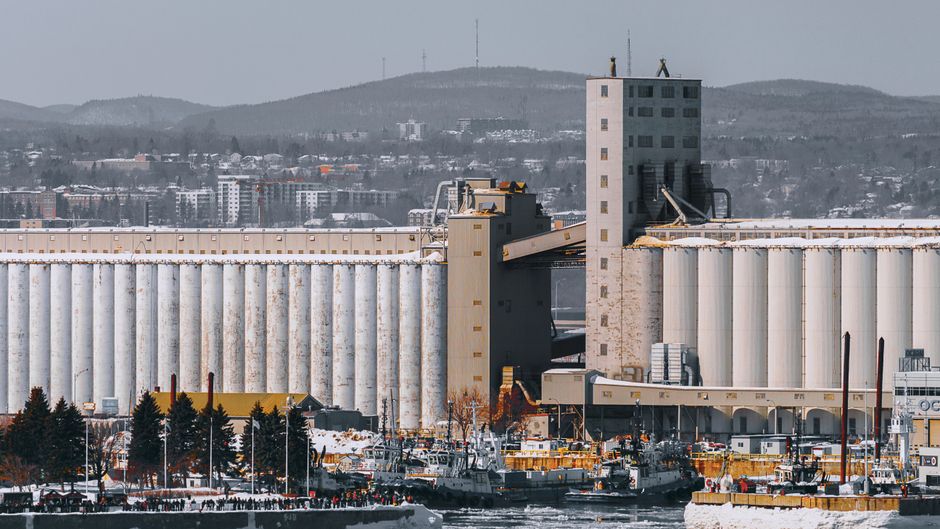
A major aluminum association in Canada says the impact of U.S. tariffs on the aluminum industry has been less dire than expected. The report is datelined Montréal and focuses on Quebec aluminum smelters. The central point is that Quebec smelters have shown more resilience than expected despite tariff pressure from the United States.
The verified facts frame this as an industry operating story rather than a housing-policy announcement. The affected sector identified in the report is aluminum production in Quebec. The practical change described is not a new rule or local approval, but a reassessment of how severely tariffs are affecting the industry.
For Canadian business readers, the key development is the gap between earlier concern and the aluminum association’s current view of the tariff impact. The reported assessment suggests that the tariff effect on Quebec smelters has been less damaging than anticipated. The verified information does not identify a municipal housing decision, a real estate transaction, or a construction approval connected to the report.
Why It Matters
Although this is not a Burnaby or Vancouver housing decision, aluminum is part of the broader construction-materials chain that matters to housing delivery. Developers, renovators, strata corporations, and commercial landlords often watch industrial input stories because tariffs and supply disruptions can influence how contractors think about procurement risk, contingency allowances, and replacement-cost assumptions.
The importance of the report is its tone: instead of describing a sharply worsening industrial shock, the verified facts describe Quebec aluminum smelters as more resilient than expected. For housing-market participants, that does not automatically mean lower costs or easier project financing. It does, however, reduce one area of uncertainty in the background environment that builders and suppliers monitor when pricing future work.
For buyers and sellers, the link is indirect. A tariff story in the aluminum sector does not change mortgage qualification, property tax, strata bylaws, or zoning. Its relevance is mainly through confidence in the supply chain and the construction-cost outlook, especially for projects or renovations where metal products form part of the budget.
Local Vancouver / Burnaby Context
BurnabyHouse local context: for Burnaby and Vancouver readers, this story should be read as national industrial context, not as a local real estate policy change. It does not alter Burnaby zoning, Vancouver development rules, provincial rental regulation, short-term rental licensing, strata governance, or buyer financing conditions. The direct reported facts are about Quebec aluminum smelters and U.S. tariffs.
That said, construction economics in Greater Vancouver are sensitive to input-cost expectations. Even when a material is not the dominant cost in a residential project, uncertainty around supply chains can affect how builders, trades, and owners budget for windows, railings, cladding systems, mechanical components, and renovation scopes. A more stable outlook in one material-producing sector can help reduce anxiety, but it does not remove the larger constraints around land cost, labour availability, municipal processing, financing, insurance, and presale risk.
For Burnaby homeowners, the most practical local reading is renovation-related. If a homeowner is planning exterior work, balcony repairs, window replacement, or a strata capital project, tariff headlines can become part of contractor pricing discussions. This report does not provide a local price forecast, but it suggests that one part of the Canadian aluminum industry has not experienced as severe an impact as expected.
For Vancouver and Burnaby developers, the story is a reminder that housing feasibility is shaped by many non-zoning variables. Even when municipalities adjust land-use policy, a project still has to absorb construction inputs, financing costs, insurance, sales risk, and approval timing. A less dire tariff impact may be helpful background, but it is not a substitute for local approvals or viable project economics.
Community
Questions, Answers & Comments
Ask a question, add context, or leave a comment. Public posts appear after review.
No public questions or comments yet. Be the first to ask.