Toronto New Condo Sales Jump Over 50% in Q2 2026 as Supply Thins
Key Takeaways
- What happened
- New condominium sales in the Greater Toronto and Hamilton Area (GTHA) posted their first annual increase in nearly three years during the second quarter of 2026, according to data released by Urbanation on July 20, 2026.
- Location
- Global markets / U.S. (indirect for Metro Vancouver)
- Key points
-
- The surge in new condo sales in the GTHA is significant because it signals a potential end to…
- while volume is up, the underlying demand for new builds remains fragile.
- Local impact
- While the reported data focuses on the Greater Toronto and Hamilton Area, the trends observed in Toronto often have ripple effects across the Canadian real estate market, including Greater Vancouver. For Metro Vancouver buyers, sellers, developers and investors, watch financing cost, transaction pace, supply mix and policy expectations.
- Who should watch
- ['Monitor completed unit inventory closely, as thinning supply could lead to price appreciation in the short term.', 'Be cautious with pre-construction purchases, as the lag in this segment suggests weak organic demand and potential…



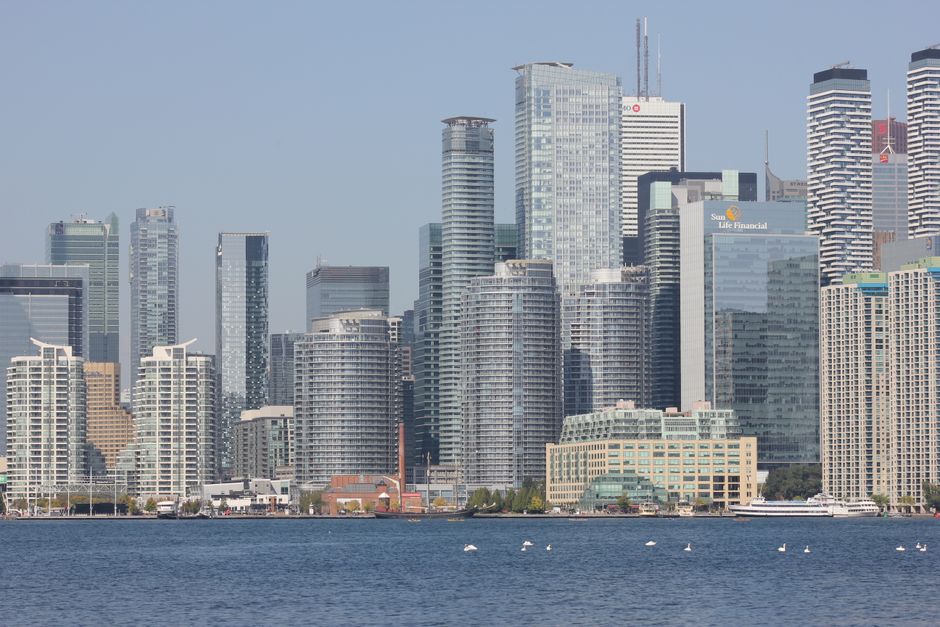
What Happened
New condominium sales in the Greater Toronto and Hamilton Area (GTHA) posted their first annual increase in nearly three years during the second quarter of 2026, according to data released by Urbanation on July 20, 2026. The rebound was driven primarily by buyers purchasing completed units and the impact of the HST rebate on new Ontario homes, which also helped trigger sales of single-family houses for a second consecutive month. This surge marked a significant shift in the market, with sales rising over 50% in the quarter, reversing a prolonged period of stagnation that has characterized the region since 2023.
Despite the headline growth in sales volume, the underlying market dynamics reveal a tightening supply landscape. Urbanation warned that inventory is now thinning quickly due to a slowdown in construction activity. While the sales increase is a positive indicator for market activity, it is not entirely a sign of robust organic demand, as bulk purchases and tax incentives played a substantial role in driving the numbers higher. The pre-construction segment, however, continues to lag, indicating that the recovery is currently concentrated in the completed unit market rather than the broader pipeline.
The data highlights a critical inflection point for the Toronto real estate market. After years of declining investor demand and a rush of new supply that led to stagnation, the market is now facing a potential supply crunch. The combination of reduced construction starts and increasing sales activity suggests that the gap between supply and demand may begin to close, potentially altering price trajectories and market sentiment in the coming months. This shift is particularly notable given the structural housing shortage Ontario has faced, which has been exacerbated by limited access to capital for new starts.
Why It Matters
The surge in new condo sales in the GTHA is significant because it signals a potential end to the prolonged stagnation that has plagued the Toronto market since 2023. For the first time in nearly three years, annual sales have increased, suggesting that buyer confidence is returning, albeit in a specific segment. The fact that this increase is driven by completed units and bulk purchases indicates that the market is currently absorbing existing inventory rather than generating new organic demand for pre-construction projects. This distinction is crucial for understanding the health of the market; while volume is up, the underlying demand for new builds remains fragile.
Furthermore, the warning from Urbanation that supply is thinning quickly due to a slowdown in construction adds a layer of urgency to the situation. Ontario has long faced a structural shortage of housing, and a reduction in new starts could exacerbate this issue. If sales continue to rise while supply dwindles, it could lead to a rapid tightening of the market, potentially driving up prices and rents. This dynamic is particularly relevant for buyers and investors who have been waiting for a market correction, as the current trends suggest a potential shift in momentum that could favor sellers and developers in the near term.
The role of the HST rebate also highlights the sensitivity of the market to government incentives. The fact that the rebate helped drive sales of single-family houses but had a limited impact on condo sales suggests that different segments of the housing market respond differently to policy interventions. This insight is valuable for policymakers and industry stakeholders who are looking to stimulate activity without creating unintended consequences, such as artificial demand spikes that may not be sustainable once the incentives expire.
Local Vancouver / Burnaby Context
While the reported data focuses on the Greater Toronto and Hamilton Area, the trends observed in Toronto often have ripple effects across the Canadian real estate market, including Greater Vancouver. Ontario's structural housing shortage and the challenges faced by new home starts due to access to capital and competition from the resale market are issues that resonate in other major Canadian cities. In Vancouver and Burnaby, developers and buyers are also navigating a complex landscape of high construction costs, zoning regulations, and market sentiment.
The thinning supply in Toronto serves as a cautionary tale for other markets. If construction slowdowns are driven by similar factors such as financing challenges or regulatory hurdles, other cities could face similar supply constraints. In Burnaby, where development activity is closely monitored, any shift in market dynamics that affects builder feasibility or buyer confidence could have local implications. The current Toronto data underscores the importance of balancing supply with demand to avoid market volatility.
Additionally, the role of government incentives like the HST rebate in Toronto highlights the potential impact of similar policies in British Columbia. While Vancouver and Burnaby have their own specific tax structures and development charges, the effectiveness of incentives in stimulating sales can provide insights for local policymakers. The fact that the rebate had a limited impact on condo sales in Toronto suggests that buyers in other markets may also be resistant to incentives if underlying economic conditions, such as employment and interest rates, remain unfavorable.
Finally, the broader economic context, including trade volatility and labor market conditions, which have impacted B.C.'s economy, also influences national market trends. As employment conditions improve and trade uncertainties evolve, the housing market in Greater Vancouver will likely be affected by these macroeconomic factors. The Toronto case study provides a valuable reference point for understanding how different segments of the housing market respond to changes in supply, demand, and policy.
Market Impact
The rapid increase in new condo sales in the GTHA, coupled with thinning supply, suggests a potential shift in market momentum. For owners of completed units, this could lead to increased demand and potentially higher prices, especially in areas with limited inventory. For renters, a tightening supply of new condos could eventually translate to higher rental rates as the absorption of new units slows. Investors who have been waiting for a market bottom may find opportunities in completed units, but the lag in pre-construction sales indicates that the recovery is not yet broad-based.
The slowdown in construction is a critical factor. If new starts do not increase to meet the rising demand, the market could face a supply crunch, leading to increased price volatility. This is particularly relevant for the resale market, where competition from new units has historically kept prices in check. If new supply dwindles, resale prices could rise more rapidly, impacting affordability for first-time buyers. The market is currently in a transitional phase, and the balance between supply and demand will be key to determining future price trajectories.
Investor / Buyer Takeaway
Monitor completed unit inventory closely, as thinning supply could lead to price appreciation in the short term. - Be cautious with pre-construction purchases, as the lag in this segment suggests weak organic demand and potential oversupply risks in the future. - Watch for changes in government incentives, such as the HST rebate, as they can artificially stimulate sales and distort market signals. - Consider the broader economic context, including employment trends and interest rates, as they will influence buyer confidence and financing availability. - For investors, the current market favors completed units with immediate rental potential, but long-term viability depends on sustainable demand growth.
Builder / Developer Perspective
The slowdown in construction and thinning supply present both challenges and opportunities for builders and developers. On one hand, reduced competition from new starts could allow existing inventory to sell more quickly and at better prices. On the other hand, the challenges in accessing capital and the structural housing shortage indicate a difficult environment for new projects. Developers must carefully assess the feasibility of new starts, considering construction costs, financing availability, and market demand. The limited impact of the HST rebate on condo sales suggests that incentives alone may not be sufficient to drive pre-construction demand, requiring a more nuanced approach to product design and pricing.
Risk Factors
Oversupply risk in pre-construction if current sales trends do not translate into sustained demand. - Financing challenges for developers due to high construction costs and limited access to capital. - Policy uncertainty regarding government incentives and their long-term impact on market stability. - Economic volatility, including trade tensions and labor market conditions, which could dampen buyer confidence. - Regulatory hurdles and zoning restrictions that could further slow down new construction and exacerbate supply shortages.
BurnabyHouse Insight
The Toronto condo market's recent surge in sales is a double-edged sword. While the volume increase is a positive sign, the reliance on completed units and bulk purchases, combined with a thinning supply, suggests a market that is recovering but not yet robust. For Burnaby and Vancouver, the key takeaway is the importance of supply dynamics. If construction slows further due to economic or regulatory pressures, other markets could face similar supply constraints, leading to price volatility. Buyers and investors should remain cautious, focusing on the quality and location of properties rather than just the headline sales numbers. The market is at a critical juncture, and the balance between supply and demand will determine its trajectory in the coming months.
Community
Questions, Answers & Comments
Ask a question, add context, or leave a comment. Public posts appear after review.
No public questions or comments yet. Be the first to ask.