Coquihalla Highway Construction Causes Major Delays Between Kelowna and Hope
Key Takeaways
- What happened
- Construction on the Coquihalla Highway (Highway 5) has reduced the route to a single lane in both directions, creating significant travel delays for drivers between Kelowna and Hope.
- Location
- Metro Vancouver
- Key points
-
- The Coquihalla Highway serves as a vital transportation artery for the region, connecting the…
- Local impact
- For residents of Burnaby, Vancouver, and the Greater Vancouver area, the Coquihalla Highway is a primary gateway to the Okanagan and the Kootenays. While the construction is located further east, the resulting delays can significantly alter travel plans for those heading north from the Metro Vancouver region. For Metro Vancouver buyers, sellers, developers and investors, watch financing cost, transaction pace, supply mix and policy expectations.
- Who should watch
- ['Travelers planning trips between Kelowna and Hope should check DriveBC for real-time status before departing.', 'Allow for significantly extended travel times due to the single-lane construction zone between Exit 202 and Exit 217.',…



What Happened
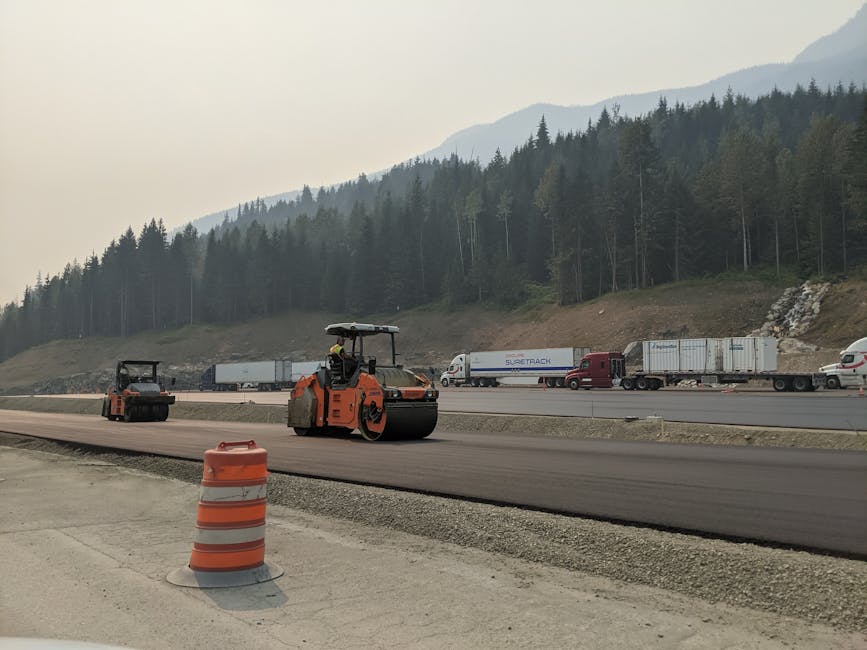
Construction on the Coquihalla Highway (Highway 5) has reduced the route to a single lane in both directions, creating significant travel delays for drivers between Kelowna and Hope. The lane reduction is active between Exit 202 and Exit 217, forcing traffic to navigate through a bottleneck that impacts the corridor's usual capacity. Travelers are being advised to prepare for extended wait times as the construction zone limits the highway's throughput. This infrastructure work is part of the ongoing efforts to move forward with the permanent reconstruction of Coquihalla Highway infrastructure that was damaged during the 2021 Atmospheric River Flood event. The Ministry of Transportation and Infrastructure continues to manage the recovery projects along this critical link between Hope and Kamloops via Merritt.
Why It Matters
The Coquihalla Highway serves as a vital transportation artery for the region, connecting the 低陆平原 with the Interior of British Columbia. Disruptions to this route directly impact the efficiency of freight movement, tourism travel, and daily commuting for residents who rely on this corridor. When the highway is reduced to single lanes, the resulting congestion can ripple through the regional economy, affecting supply chain timelines and increasing travel costs for businesses and individuals alike. The ongoing reconstruction efforts are essential for long-term safety and resilience, but the temporary loss of capacity creates immediate logistical challenges for anyone traversing the Hope to Kamloops route.
Local Vancouver / Burnaby Context
For residents of Burnaby, Vancouver, and the Greater Vancouver area, the Coquihalla Highway is a primary gateway to the Okanagan and the Kootenays. While the construction is located further east, the resulting delays can significantly alter travel plans for those heading north from the Metro Vancouver region. The 2021 Atmospheric River Flood event caused substantial damage to Highway 5, necessitating the current permanent reconstruction projects. Travelers leaving Burnaby or Vancouver via Highway 1 north to Hope must then transition to Highway 5, where they will encounter these construction-induced bottlenecks. The DriveBC service provides real-time updates on these conditions, which are critical for planning departures from the 低陆平原. While Burnaby itself is not directly affected by the roadwork, the regional connectivity provided by the Coquihalla is integral to the broader transportation network that supports the 低陆平原's economy and lifestyle.
Market Impact
The construction delays on the Coquihalla Highway do not have a direct impact on local real estate markets in Burnaby or Vancouver. However, for the broader regional economy, increased travel times can affect the cost of goods and services that rely on efficient freight corridors. For homeowners and renters in the 低陆平原, the reliability of the Coquihalla route is important for access to recreational properties and second homes in the Interior. While the immediate market impact is negligible for local housing prices, the long-term completion of the reconstruction projects is vital for maintaining the region's transportation resilience and economic integration.
Investor / Buyer Takeaway
Travelers planning trips between Kelowna and Hope should check DriveBC for real-time status before departing. - Allow for significantly extended travel times due to the single-lane construction zone between Exit 202 and Exit 217. - Monitor the progress of the permanent reconstruction projects, which are part of the post-2021 flood recovery efforts. - Consider alternative routes if available, though the Coquihalla is often the most direct path to the Interior. - Stay informed via official government sources for updates on the Highway 5 recovery timeline.
Builder / Developer Perspective
The construction on the Coquihalla Highway is a transportation infrastructure project managed by the provincial government, not a real estate development. While it does not directly impact local building permits or zoning in Burnaby, the efficient operation of regional highways is important for the construction industry's ability to move materials and labor across the province. Delays on key corridors can increase logistics costs for projects that rely on supply chains from the Interior or the 低陆平原.
Risk Factors
Extended travel times due to single-lane construction between Exit 202 and Exit 217. - Potential for further delays if weather conditions or other factors impact the construction schedule. - Increased freight costs for businesses relying on the Coquihalla corridor for goods movement. - Safety risks associated with navigating construction zones and reduced highway capacity. - Uncertainty regarding the final completion date of the permanent reconstruction projects.
BurnabyHouse Insight
The Coquihalla Highway's role as a critical link between the 低陆平原 and the Interior means that any disruption, such as the current construction between Exit 202 and Exit 217, has implications well beyond the immediate travel corridor. For Burnaby and Vancouver residents, the reliability of this route is essential for both economic and lifestyle reasons. The ongoing reconstruction, stemming from the 2021 Atmospheric River Flood damage, highlights the importance of resilient infrastructure in a region prone to extreme weather events. While the immediate impact is travel delays, the long-term goal of permanent reconstruction is vital for maintaining the efficiency of the regional transportation network that supports the broader British Columbia economy.
Community
Questions, Answers & Comments
Ask a question, add context, or leave a comment. Public posts appear after review.
No public questions or comments yet. Be the first to ask.