Alberta to Submit West Coast Pipeline Application by Spring 2026
Key Takeaways
- What happened
- The Alberta government announced it will submit an application to the federal Major Projects Office by spring 2026 for a new crude oil pipeline to British Columbia’s northwest coast.
- Location
- Proposed pipeline could carry up to 1 million barrels per day to British Columbia's northwest coast for export.
- Key points
-
- This application represents a significant attempt to diversify Canada’s oil export routes…
- Alberta announced it will submit by spring 2026 an application to the federal Major Projects…
- Alberta government said the proposed pipeline could carry up to 1 million barrels per day of…
- Local impact
- Oil and energy cost shifts feed into inflation and rate expectations first, then into Canadian mortgage rates, development financing and Metro Vancouver housing carrying costs and supply-demand expectations.
- Who should watch
- ['Monitor federal legislative changes regarding emissions caps and tanker bans, as these are prerequisites for private-sector involvement.', 'Watch for announcements from Enbridge, South Bow, and Trans Mountain regarding their level of…
Generating audio…



What Happened
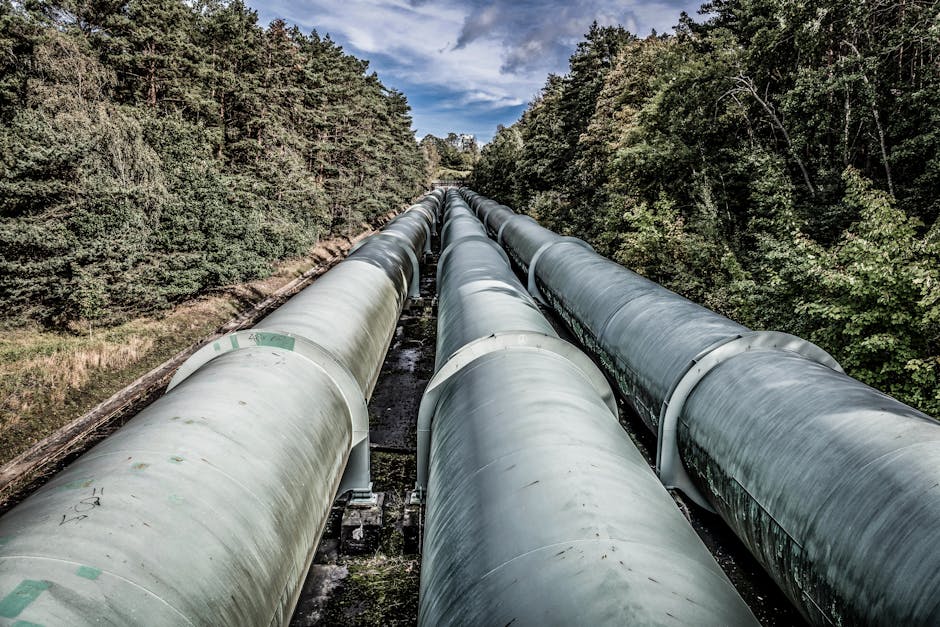
The Alberta government announced it will submit an application to the federal Major Projects Office by spring 2026 for a new crude oil pipeline to British Columbia’s northwest coast. Alberta Premier Danielle Smith confirmed the province will act as the formal proponent for the proposal, which aims for fast-track approval as a project of national interest. The government plans to invest C$14 million ($10.04 million) to lead early planning and engineering to determine the route, size, and cost of the infrastructure. Smith stated that while the government will not build or own the pipeline, it expects private-sector proponents to come forward to construct and operate it. Alberta will work with Enbridge, South Bow, and Trans Mountain for technical advice, though none of these companies have committed to building the project. The proposed pipeline could carry up to 1 million barrels per day of crude to the coast for export, addressing capacity constraints as the Trans Mountain expansion reaches full capacity between 2027 and 2028.
Why It Matters
This application represents a significant attempt to diversify Canada’s oil export routes beyond the United States, where 90% of current exports are sent. Diversification is viewed as critical to protecting the Canadian economy from potential U.S. tariffs and ensuring global competitiveness. The move also aligns with Prime Minister Mark Carney’s creation of a federal office in August to fast-track natural resource project approvals, signaling a push to reduce regulatory delays that have historically plagued Canadian energy infrastructure. However, the proposal faces substantial hurdles, including the need for federal legislative changes to remove emissions caps and end the ban on oil tankers off B.C.’s northern coast. The federal government has also emphasized that any proposal must include meaningful Indigenous consultation and cooperation with affected jurisdictions.
Local Vancouver / Burnaby Context
The proposed pipeline targets British Columbia’s northwest coast, a region directly impacted by coastal First Nations governance and environmental concerns. Marilyn Slett, Elected Chief Councillor of the Heiltsuk Tribal Council and President of Coastal First Nations-Great Bear Initiative, has stated there is no support from coastal First Nations for pipeline and oil tanker projects on coastal waters. This opposition highlights the complex political and social landscape in B.C., where Premier 尹大卫 has criticized the federal government for rewarding Alberta with pipeline agreements despite ongoing political tensions between the two provinces. The project’s feasibility is further complicated by the requirement for Indigenous equity investment, for which Alberta has established a loan guarantee program. While the project is centered in Alberta and B.C., its implications for national energy policy and interprovincial relations are significant.
Community
Questions, Answers & Comments
Ask a question, add context, or leave a comment. Public posts appear after review.
No public questions or comments yet. Be the first to ask.