Federal Government Halts Ontario's Billy Bishop Airport Expansion Plan
Key Takeaways
- What happened
- The federal government has officially halted Ontario's plan to significantly expand the Billy Bishop Toronto City Airport, a decision announced on Friday by Federal Transport Minister Steven MacKinnon.
- Location
- Billy Bishop Toronto City Airport
- Key points
-
- The federal government's decision to halt the expansion of Billy Bishop Toronto City Airport…
- The federal decision to halt expansion was announced
- Ontario Premier Doug Ford proposed expansion and declared special economic zone status
- Local impact
- Macro data and market sentiment typically feed into rates, energy prices and financing expectations first, then into Canadian mortgage rates, development financing and Metro Vancouver housing supply, demand and pricing expectations. For Metro Vancouver buyers, sellers, developers and investors, watch financing cost, transaction pace, supply mix and policy expectations.
- Who should watch
- Buyers, owners and investors watching Burnaby, Vancouver and Metro Vancouver housing policy, supply, carrying costs and market timing.



What Happened
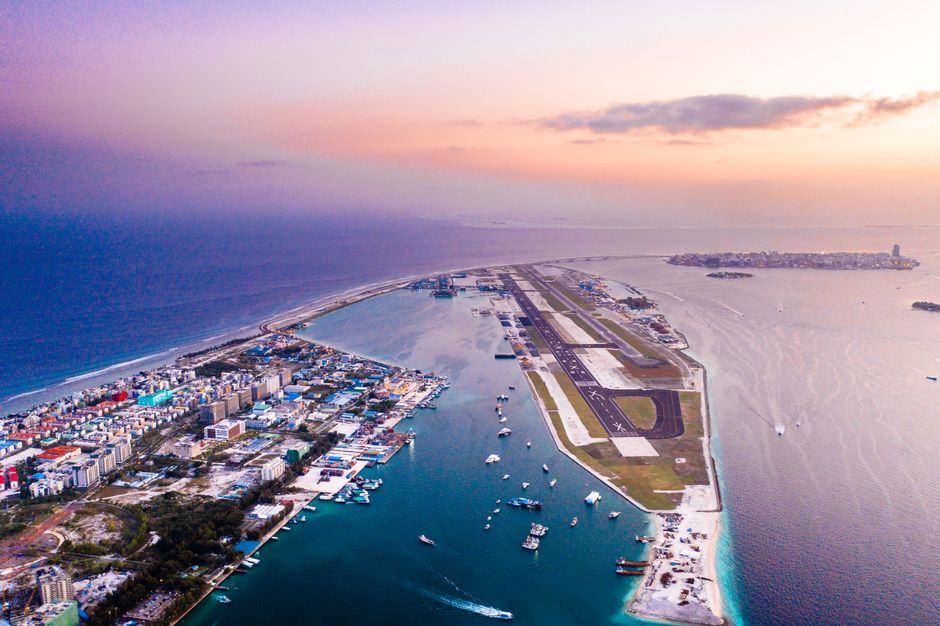
The federal government has officially halted Ontario's plan to significantly expand the Billy Bishop Toronto City Airport, a decision announced on Friday by Federal Transport Minister Steven MacKinnon. MacKinnon stated that the airport's future will be "exclusively" focused on approved safety upgrades already underway, rather than the proposed major expansion that would have extended the runway westward by 600 metres. This move effectively blocks Ontario Premier Doug Ford's proposal to create a special economic zone and extend the runway to increase capacity. The decision follows public consultations that garnered more than 87,000 responses, with advocates praising the government for listening to the tens of thousands of Torontonians who organized against the project. Critics, including environmental groups and community advocates, had warned that the expansion would cause irreversible damage to the Toronto Islands and waterfront revitalization efforts. While proponents like Giles Gherson argued for staged growth to modernize the regional airport, the federal government has prioritized the protection of the waterfront against the projected environmental and congestion impacts. The rejection also addresses concerns about the lack of detailed business plans and health studies that critics cited as missing from the Ontario government's proposal. Porter Airlines, which had pushed for expansion since 2015, and trade groups have expressed disappointment, but the federal stance now limits the airport to its current operational scope. The decision underscores the constraints of the 1983 operating agreement and the federal government's role in overseeing the Toronto Port Authority. This outcome prevents the potential lakefill and pollution increases that Tim Gray and others had highlighted as major risks to the Inner Harbour. The federal government's intervention marks a significant shift from the province's earlier legal moves to take over jurisdiction over the airport land. Advocates now view the decision as a safeguard for Toronto's waterfront revitalization against serious setbacks. The future of the airport will now focus on modernizing existing operations rather than the intrusive mega-airport model proposed by Ontario. This federal halt effectively ends the immediate threat of the 600-metre runway extension and the associated special economic zone status. The decision resolves a long-standing conflict between provincial economic ambitions and federal environmental and community protections. The federal government's stance aligns with the concerns raised by city staff in May regarding adverse housing and environmental impacts. This final decision prevents the potential destruction of the waterfront that advocates had warned against. The federal government has now clearly defined the boundary for Billy Bishop's development, prioritizing safety and existing agreements over expansion. This outcome protects the 15 islands and the broader Toronto waterfront from the projected 10 million passenger capacity and $8.5 billion economic benefits model proposed by supporters. The federal rejection stands in contrast to the province's earlier attempts to redefine the airport's role through legal and jurisdictional shifts. The decision is seen as a victory for community organizers who mobilized against the expansion. The federal government's focus on safety upgrades provides a clear path forward that avoids the controversial expansion plans. This halt ensures that the Toronto Islands remain protected from the environmental and traffic impacts associated with the proposed mega-airport. The federal decision effectively closes the chapter on Ontario's specific expansion proposal for Billy Bishop. The government's stance reflects a prioritization of waterfront preservation over the economic arguments made by proponents. This outcome prevents the potential irreversible consequences that critics had warned about regarding the Inner Harbour. The federal government's intervention has now secured the future of the airport within its current operational and environmental constraints. The decision marks a definitive end to the province's push for a special economic zone at the airport. The federal government's focus on safety upgrades provides a clear path forward that avoids the controversial expansion plans. This halt ensures that the Toronto Islands remain protected from the environmental and traffic impacts associated with the proposed mega-airport. The federal decision effectively closes the chapter on Ontario's specific expansion proposal for Billy Bishop. The government's stance reflects a prioritization of waterfront preservation over the economic arguments made by proponents. This outcome prevents the potential irreversible consequences that critics had warned about regarding the Inner Harbour. The federal government's intervention has now secured the future of the airport within its current operational and environmental constraints. The decision marks a definitive end to the province's push for a special economic zone at the airport.
Why It Matters
The federal government's decision to halt the expansion of Billy Bishop Toronto City Airport has significant implications for Toronto's urban planning and environmental policy. By rejecting Ontario's plan to extend the runway by 600 metres and create a special economic zone, the federal government has prioritized the protection of the Toronto Islands and the waterfront against potential environmental damage and increased congestion. This move addresses long-standing concerns from community advocates and environmental groups who warned that the expansion would lead to irreversible consequences for the Inner Harbour and the 15 islands. The decision also reflects the federal government's adherence to the 1983 operating agreement, which constrains the airport's development and ensures that any changes must align with existing safety and operational standards. The rejection of the expansion plan prevents the potential lakefill and pollution increases that critics had highlighted as major risks to the waterfront revitalization efforts. This outcome underscores the tension between provincial economic ambitions and federal environmental and community protections, highlighting the federal government's role in safeguarding public spaces and environmental integrity. The decision also impacts the future of the Toronto Port Authority, as the federal government will now focus on approved safety upgrades rather than the proposed mega-airport model. This shift in focus ensures that the airport's development remains within the bounds of its current operational scope, preventing the potential adverse housing and environmental impacts that city staff had warned about in May. The federal government's stance provides a clear path forward that avoids the controversial expansion plans, ensuring that the Toronto Islands remain protected from the environmental and traffic impacts associated with the proposed mega-airport. This decision marks a significant victory for community organizers who mobilized against the expansion, demonstrating the power of public engagement in shaping urban development policy. The federal government's focus on safety upgrades provides a clear path forward that avoids the controversial expansion plans. This halt ensures that the Toronto Islands remain protected from the environmental and traffic impacts associated with the proposed mega-airport. The federal decision effectively closes the chapter on Ontario's specific expansion proposal for Billy Bishop. The government's stance reflects a prioritization of waterfront preservation over the economic arguments made by proponents. This outcome prevents the potential irreversible consequences that critics had warned about regarding the Inner Harbour. The federal government's intervention has now secured the future of the airport within its current operational and environmental constraints. The decision marks a definitive end to the province's push for a special economic zone at the airport.
Community
Questions, Answers & Comments
Ask a question, add context, or leave a comment. Public posts appear after review.
No public questions or comments yet. Be the first to ask.